 English
 Español


Plastic vs Metal Hose Fittings: Which Lasts Longer in Cars
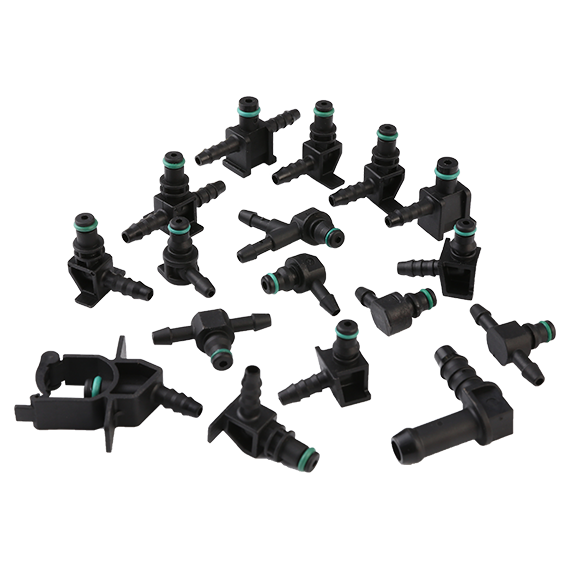
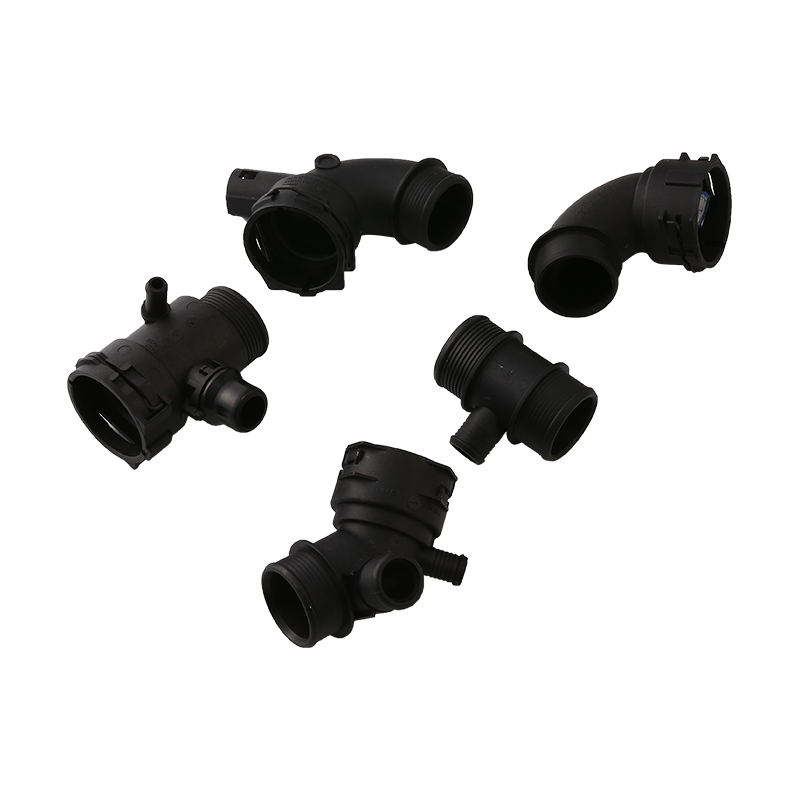
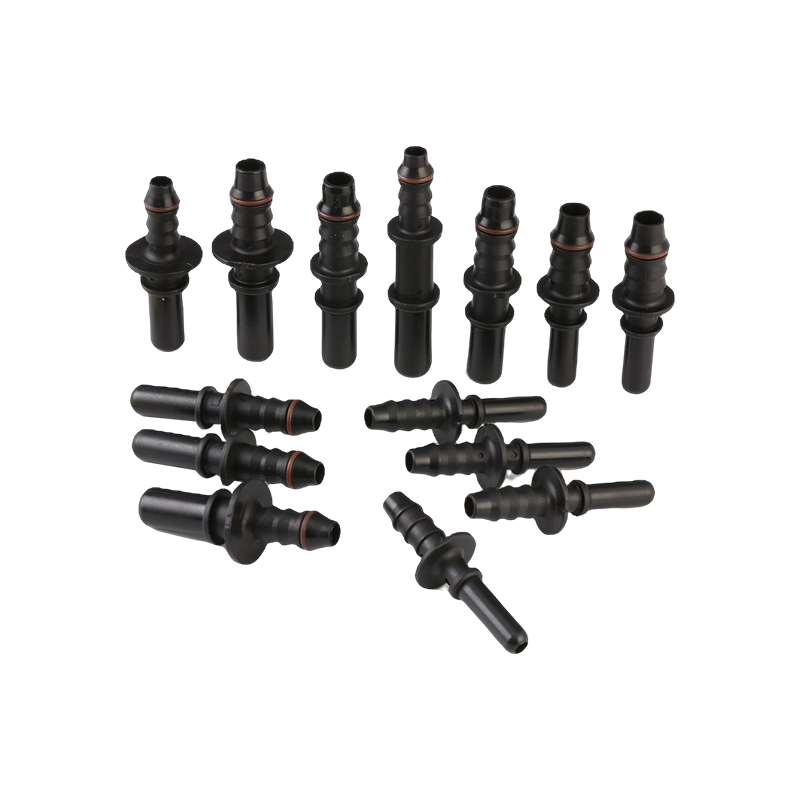
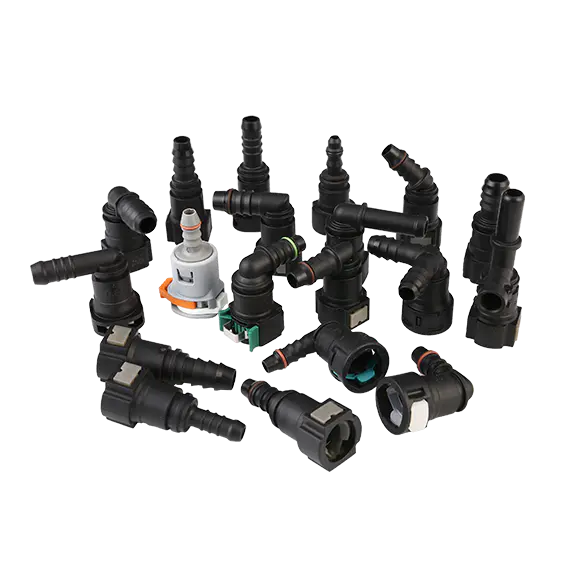
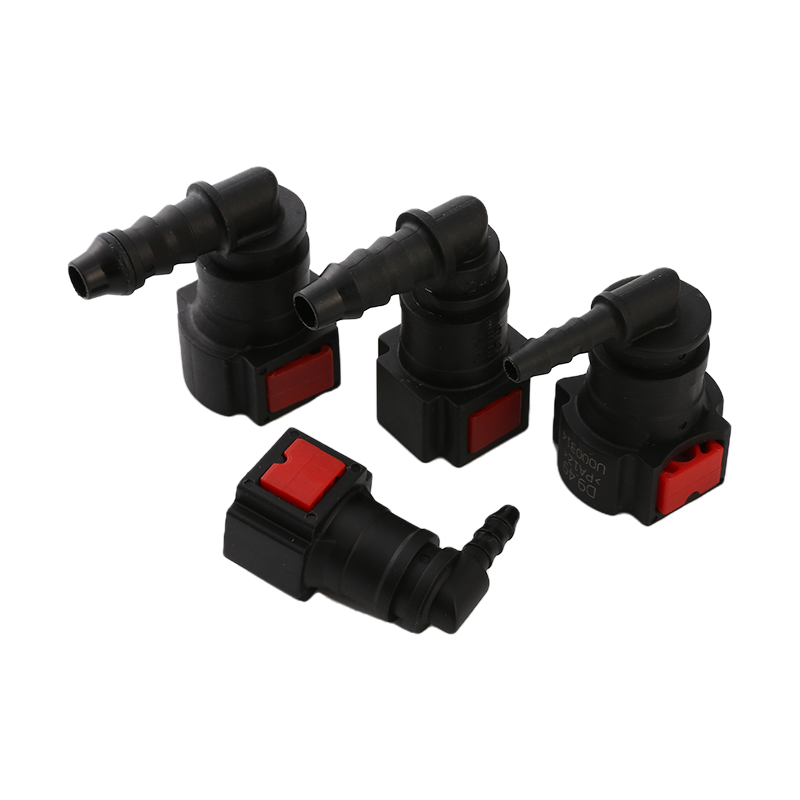
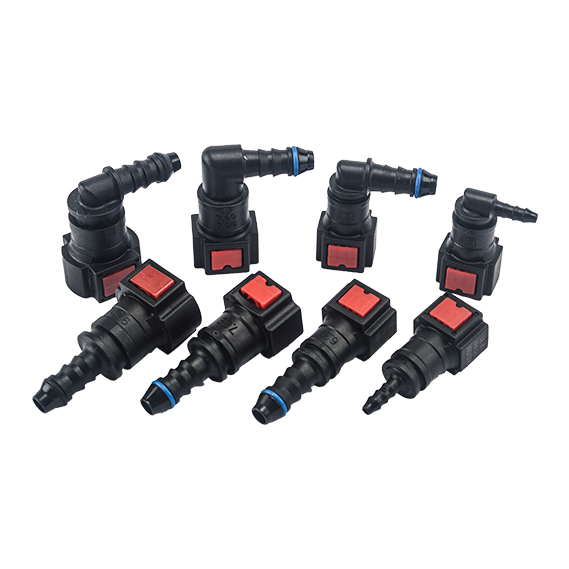
Automotive fluid systems continue shifting toward lightweight engineering solutions, where Plastic Automotive Hose Fittings and Hose Connector assemblies increasingly replace traditional metal components in cooling, vacuum, and auxiliary pipelines. From a manufacturing perspective at Linhai Alway Technology Co., Ltd., service life comparison is not determined by material alone, but by system environment, installation accuracy, and long-term stress distribution behavior.
1. Weight and Vibration Load Distribution
Material density plays a major role in dynamic vehicle behavior.
Plastic system advantages:
Lower mass reduces vibration inertia
Less stress transferred to mounting points
Improved noise damping effect
Metal system characteristics:
Higher rigidity under load
Strong resistance to deformation
Increased vibration transmission to connected hoses
In long-term operation, reduced vibration load often improves the service life of Plastic Automotive Hose Fittings in passenger vehicles.
2. Corrosion Resistance Behavior
Corrosion is one of the key differentiators between the two materials.
Plastic systems:
Resistant to coolant chemistry degradation
No oxidation layer formation
Stable surface condition over time
Metal systems:
Susceptible to electrochemical corrosion in mixed-material environments
Requires protective coating or anodizing
Performance varies under coolant contamination conditions
Field data indicates that corrosion-related failure is significantly lower in polymer-based Hose Connector systems.
3. Thermal Stability and Expansion Control
Thermal behavior directly affects sealing reliability.
Plastic fittings:
Higher thermal expansion coefficient
Requires precision tolerance compensation
Can absorb thermal cycling without permanent deformation
Metal fittings:
Lower thermal expansion
Better dimensional stability under heat
Higher stress transfer to hose interface
At Linhai Alway Technology Co., Ltd., thermal expansion modeling is a core part of product design validation for polymer connectors.
4. Sealing Interface Adaptability
Sealing performance depends on surface interaction.
Plastic advantages:
Micro-flexibility improves hose conformity
Reduced surface hardness mismatch
Better adaptation under vibration
Metal advantages:
Strong rigid grip under high torque clamps
Stable geometry under pressure
Less deformation under load
However, rigid systems may transfer stress directly to hose material, increasing long-term fatigue risk.
5. Installation Sensitivity Differences
Installation quality has different impacts on each material type.
Plastic systems:
Sensitive to over-tightening damage
Require controlled clamp force
Easier to compensate for minor misalignment
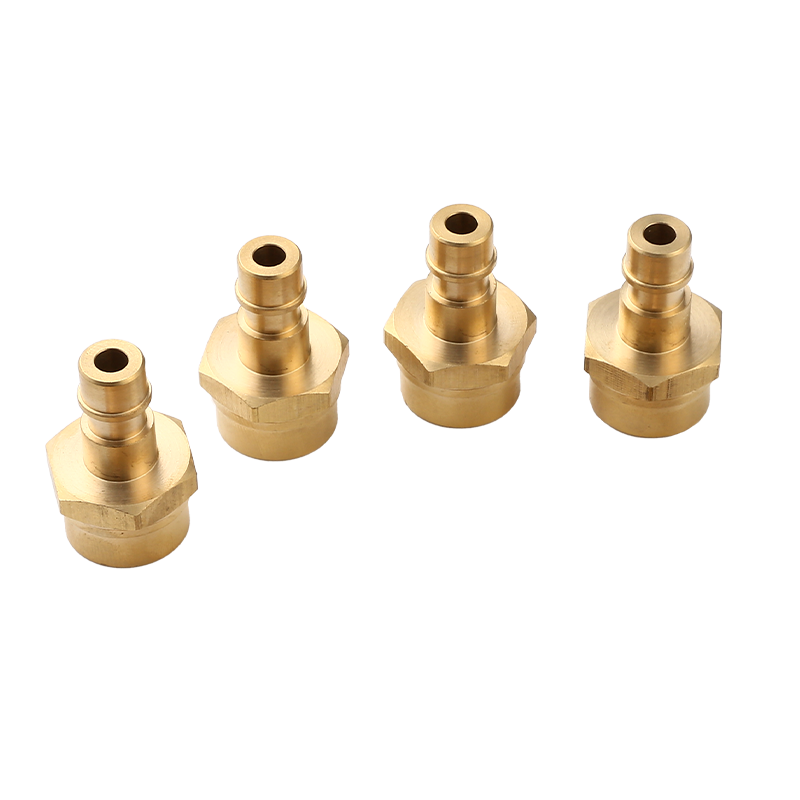
Metal systems:
More tolerant to high clamp torque
Less deformation during installation
Higher risk of hose cutting if over-compressed
This makes Plastic Automotive Hose Fittings more dependent on standardized assembly processes.
6. Long-Term Fatigue Behavior
Durability is defined by cyclic stress response rather than initial strength.
Plastic systems:
Gradual fatigue accumulation
Predictable aging curve
May show early micro-leak signs before failure
Metal systems:
Delayed fatigue onset
Sudden failure in harsh corrosion or stress conditions
Less visible degradation before breakdown
Service feedback from distribution networks shows both failure modes depend heavily on usage environment.
7. Application Segmentation Strategy
Based on engineering analysis:
Passenger vehicles → plastic preferred for vibration comfort and corrosion resistance
Heavy-duty cooling systems → hybrid or reinforced designs
High-pressure performance systems → metal or reinforced polymer solutions
There is no universal winner; suitability depends on system design requirements.
8. Manufacturing Optimization at Alway Technology
At Linhai Alway Technology Co., Ltd., development focus includes:
Reinforced polymer compound formulation for improved creep resistance
Precision injection molding to ensure dimensional repeatability
Dual-material simulation testing for hybrid system compatibility
Long-term thermal + vibration aging validation
These processes aim to bridge performance gaps between plastic and metal systems in real automotive environments.
Plastic Automotive Hose Fittings and Hose Connector systems offer a different durability profile compared with traditional metal fittings. Plastic solutions excel in corrosion resistance, vibration damping, and weight reduction, while metal components provide nice rigidity and dimensional stability.
From a manufacturing standpoint at Linhai Alway Technology Co., Ltd., long-term reliability is achieved not by material choice alone but by matching design, environment, and installation conditions to the intended application.