 English
 Español


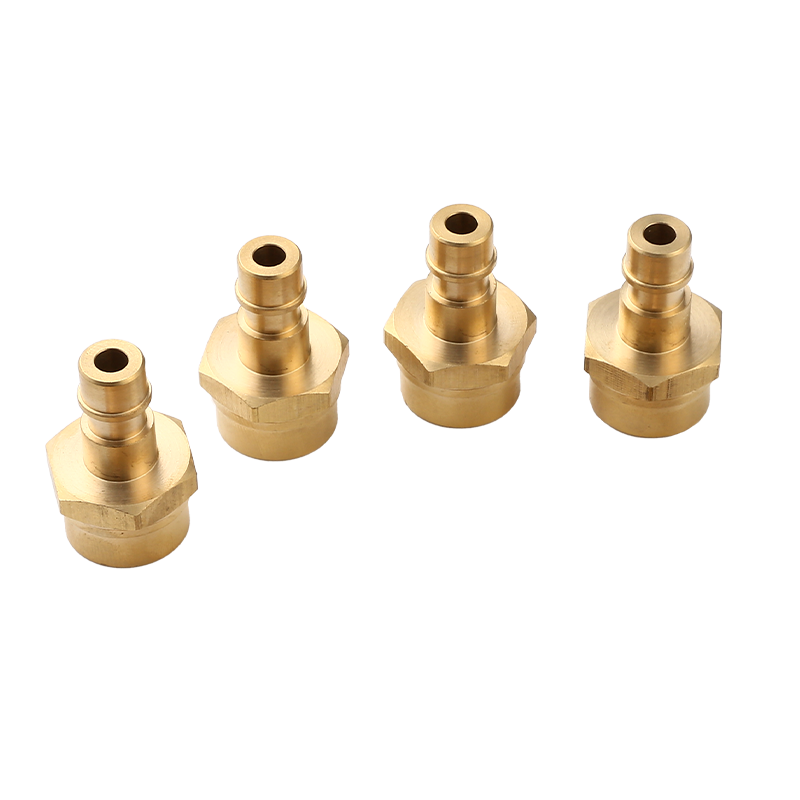
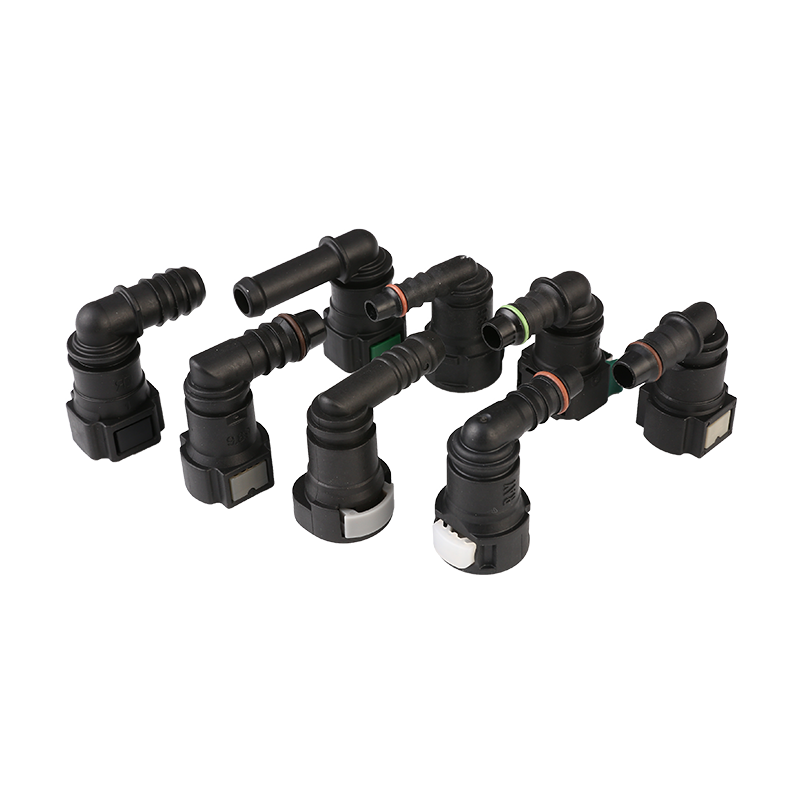
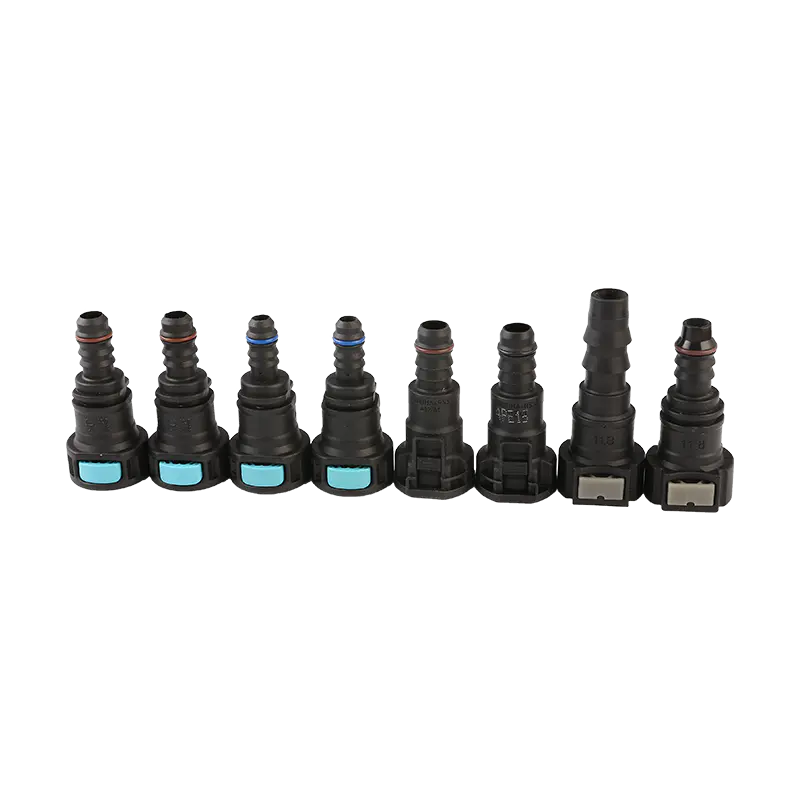
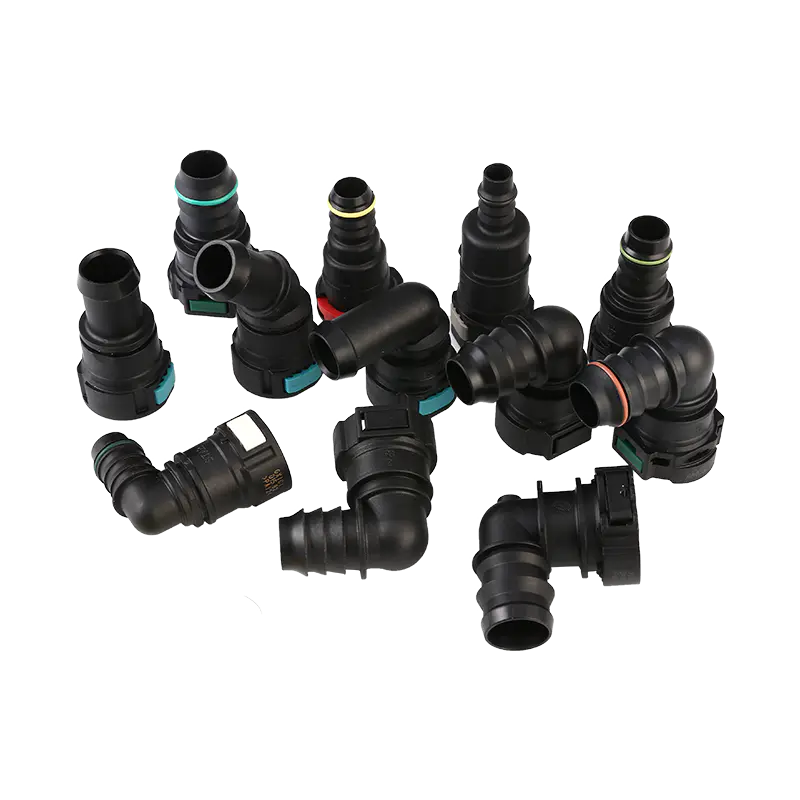
Fuel Line Fastener Materials Used in Automotive Fuel Systems
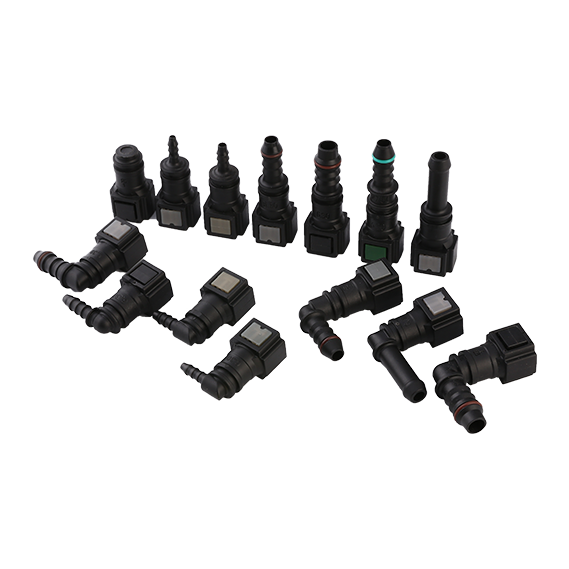
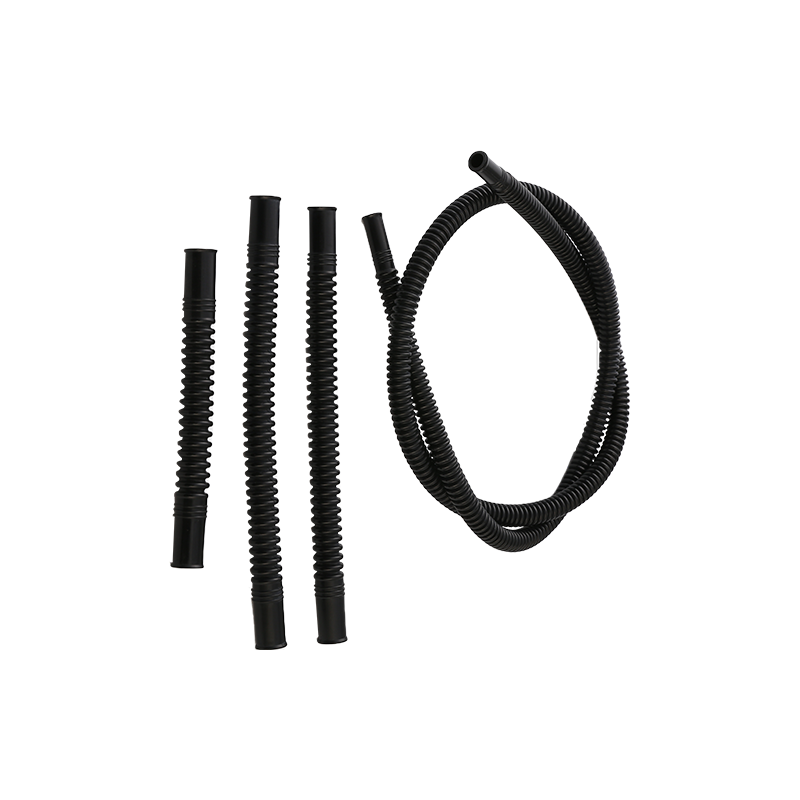
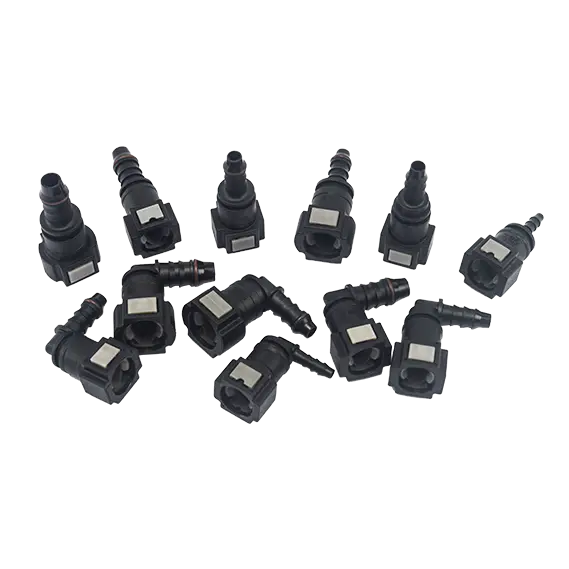
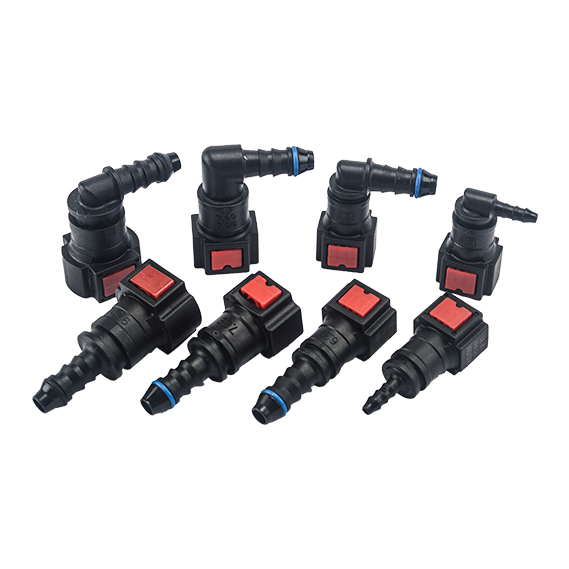
Automotive fuel systems contain numerous components that work together to support fuel delivery and fluid management. The Fuel Line Fastener is used to secure fuel lines along designated routing paths, while the Fuel Line Coolant Hose is associated with coolant circulation in temperature control systems. Although these components serve different purposes, both contribute to organized vehicle fluid systems.
Material selection plays an important role in the design of fuel line fasteners. Different materials offer varying characteristics related to durability, environmental resistance, and installation requirements.
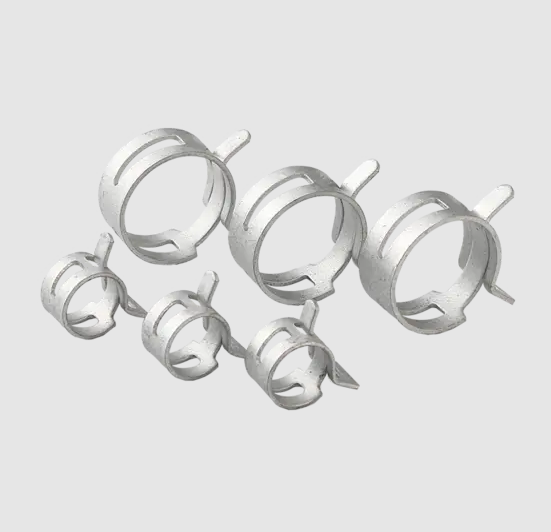
The Role of Fuel Line Fasteners
Fuel lines are routed through various sections of a vehicle, including the chassis and engine compartment. During operation, these lines may be exposed to vibration, temperature changes, and road conditions.
A Fuel Line Fastener helps keep fuel lines in position and supports stable routing throughout the vehicle. Proper fastening can reduce unnecessary movement and help maintain an organized layout for fuel system components.
In many vehicle designs, fasteners are installed near other fluid management parts, including fuel lines, coolant hose assemblies, and related support structures.
Plastic Materials in Fuel Line Fasteners
Plastic is one of the commonly used materials for fuel line fasteners. Engineering plastics can be molded into clips, retainers, and mounting brackets that fit different fuel line configurations.
One reason for their widespread use is their corrosion resistance. Plastic fasteners are also lightweight and can be manufactured in a variety of shapes to meet installation requirements.
These fasteners are often used in areas where temperature exposure remains within the intended operating range of the selected material. Their design flexibility makes them suitable for many modern fuel system layouts.
Metal Fasteners for Enhanced Strength
Some vehicle environments require fastening solutions with higher structural strength. In such cases, metal fuel line fasteners may be selected.
Materials such as steel and stainless steel are commonly used because they can withstand mechanical loads and continuous vibration. Metal fasteners are frequently found in areas exposed to elevated temperatures or demanding operating conditions.
To improve resistance to moisture and road contaminants, protective coatings are often applied to metal components. These treatments help maintain the condition of the fastener during long-term vehicle use.
Composite and Hybrid Designs
Automotive manufacturers increasingly use components that combine different materials. Hybrid fuel line fasteners may include plastic bodies reinforced with metal inserts or support sections.
This approach allows designers to combine the advantages of multiple materials within a single component. Such designs can provide structural support while maintaining flexibility for installation and assembly.
Composite solutions may also support routing systems that include both fuel lines and Fuel Line Coolant Hose components within the same vehicle area.
Factors Affecting Material Selection
Several factors influence the choice of materials used in fuel line fasteners.
Temperature Conditions
Fasteners may be exposed to changing temperatures depending on vehicle location and operating conditions. Materials are selected based on their ability to maintain performance within the expected environment.
Chemical Exposure
Fuel systems can expose nearby components to fuels, oils, and other automotive fluids. Material compatibility helps support reliable operation throughout the service life of the component.
Corrosion Resistance
Vehicles frequently encounter water, dirt, and road treatment chemicals. Corrosion-resistant materials are often preferred for components located underneath the vehicle or near exposed areas.
Vibration Resistance
Continuous vehicle movement creates vibration that can affect component stability. Fastener materials are selected with consideration for long-term retention and durability.
Maintenance Considerations
Routine inspections may include checking fuel line fasteners for wear, deformation, or damage. Replacing worn fastening components can help maintain proper fuel line positioning.
Technicians may also inspect nearby Fuel Line Coolant Hose assemblies since multiple fluid systems are often routed through shared vehicle spaces. Regular maintenance supports the condition of both fastening and fluid transfer components.
The materials used in a Fuel Line Fastener can influence durability, installation characteristics, and environmental resistance. Plastic, metal, and composite materials each offer advantages for different automotive applications. Alongside components such as the Fuel Line Coolant Hose, properly selected fastening solutions help support organized fuel system layouts and reliable vehicle operation.