 English
 Español


Fuel Line Fastener Types Commonly Used in Fuel Line Connections
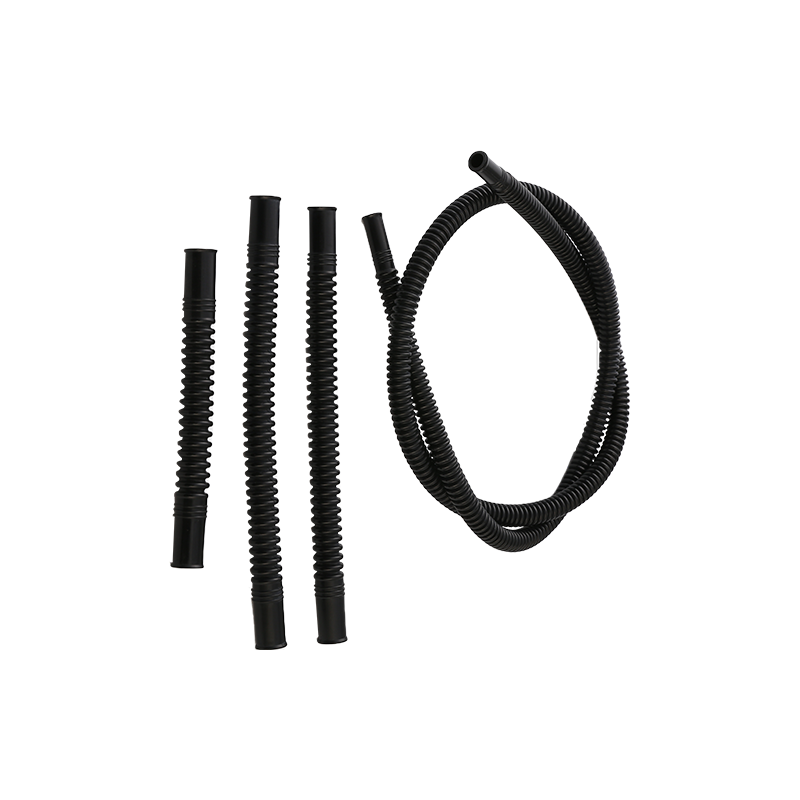
Automotive fuel systems depend on a variety of components to transport fuel throughout the vehicle. Among these components, the Fuel Line Fastener is used to secure fuel lines and support proper routing, while the Fuel Line Coolant Hose is associated with coolant circulation within vehicle temperature management systems. Although these parts perform different functions, both contribute to organized fluid pathways and overall system reliability.
As vehicle designs continue to incorporate compact layouts and multiple fluid systems, various fastening solutions are used to accommodate different connection requirements. Understanding the common types of fuel line fasteners can provide insight into how modern fuel systems are assembled and maintained.
Common Fuel Line Fastener Designs
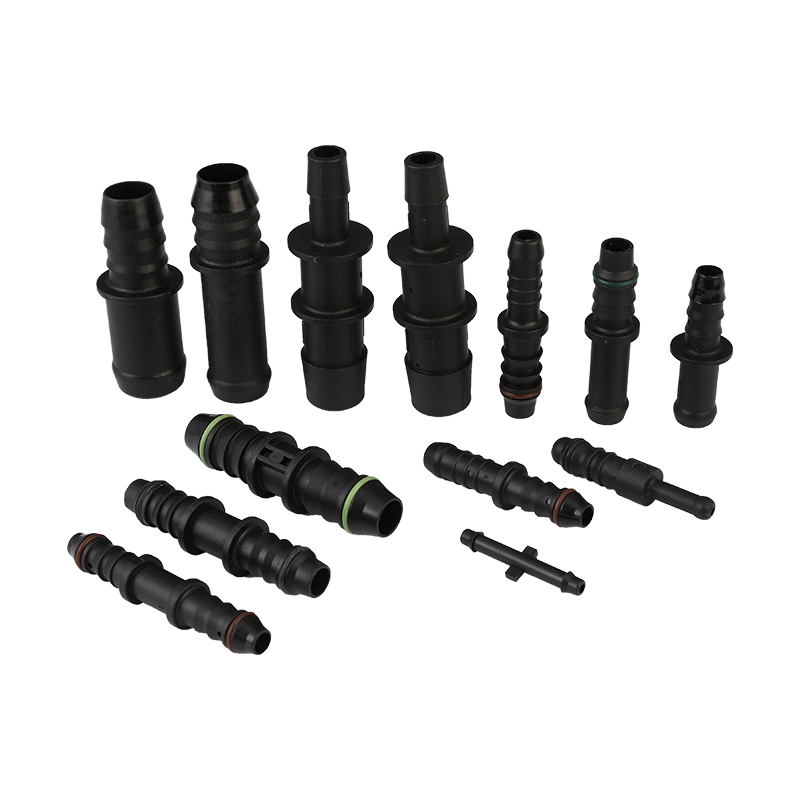
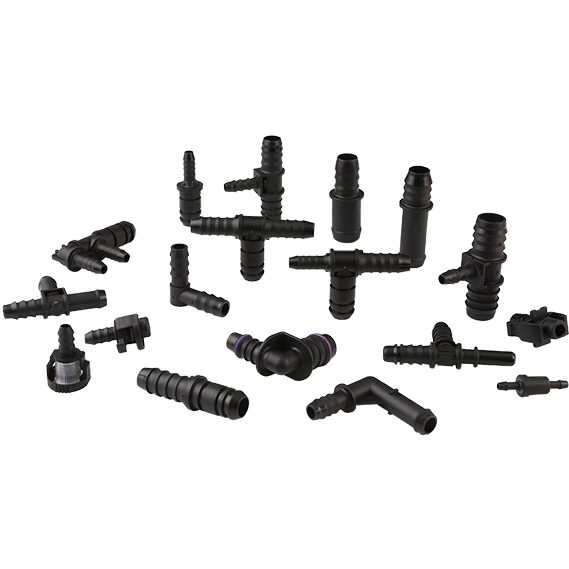
Several types of fuel line fasteners are used in automotive applications. One of the common is the clip-style fastener. These clips are designed to hold fuel lines against vehicle structures and help maintain consistent routing. Plastic clips are frequently used because they can be manufactured in different shapes and sizes to fit specific fuel line configurations.
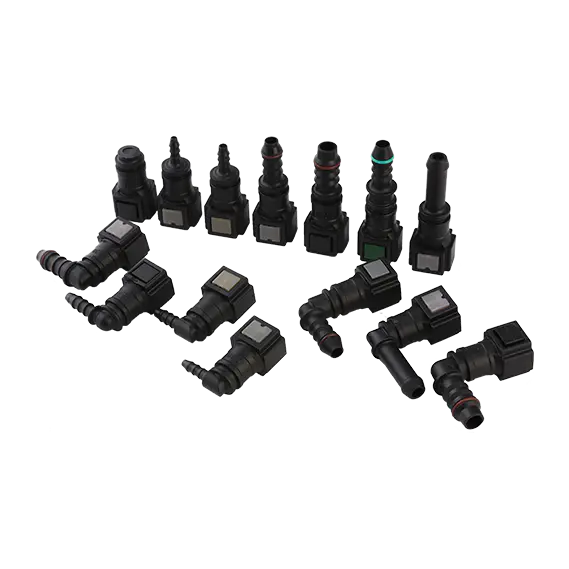
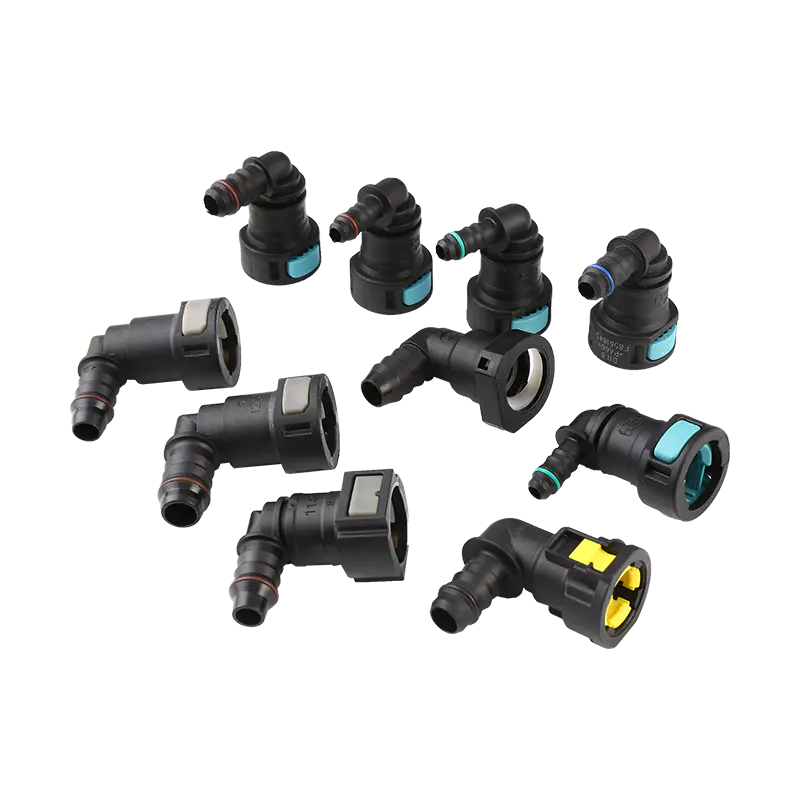
Retainer fasteners are another widely used solution. They are often found in quick-connect fuel line systems, where they help secure connections between hoses, tubes, and fittings. These retainers are designed to support stable attachment while allowing maintenance procedures when necessary.
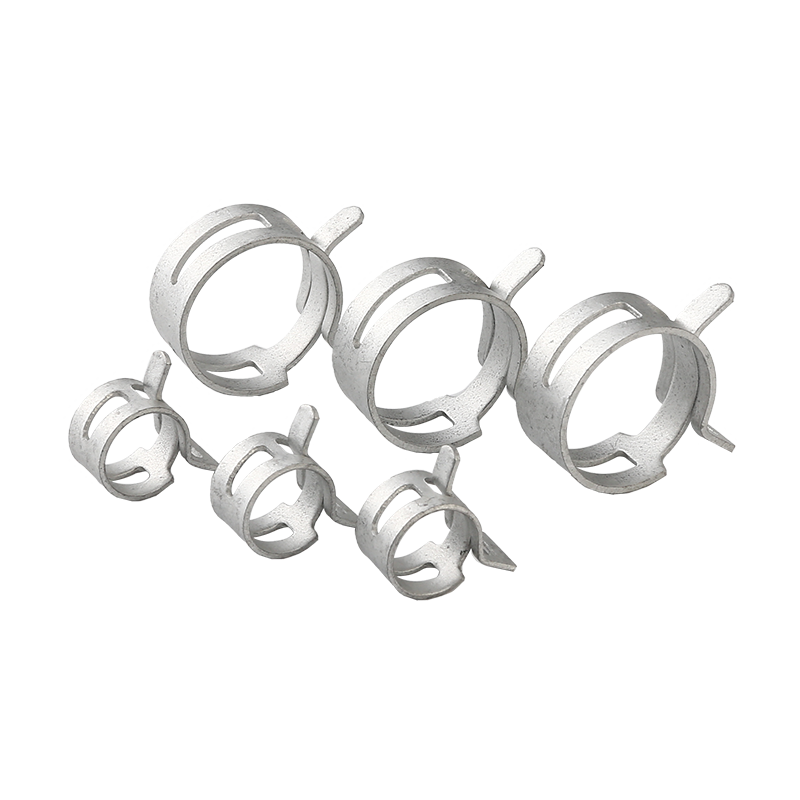
Clamp-style fasteners are also commonly used in fuel line assemblies. Spring clamps and screw-type clamps can be used to secure flexible hoses to connectors or metal tubing. Their design allows them to maintain contact around the hose while accommodating minor movement caused by temperature changes and vehicle operation.
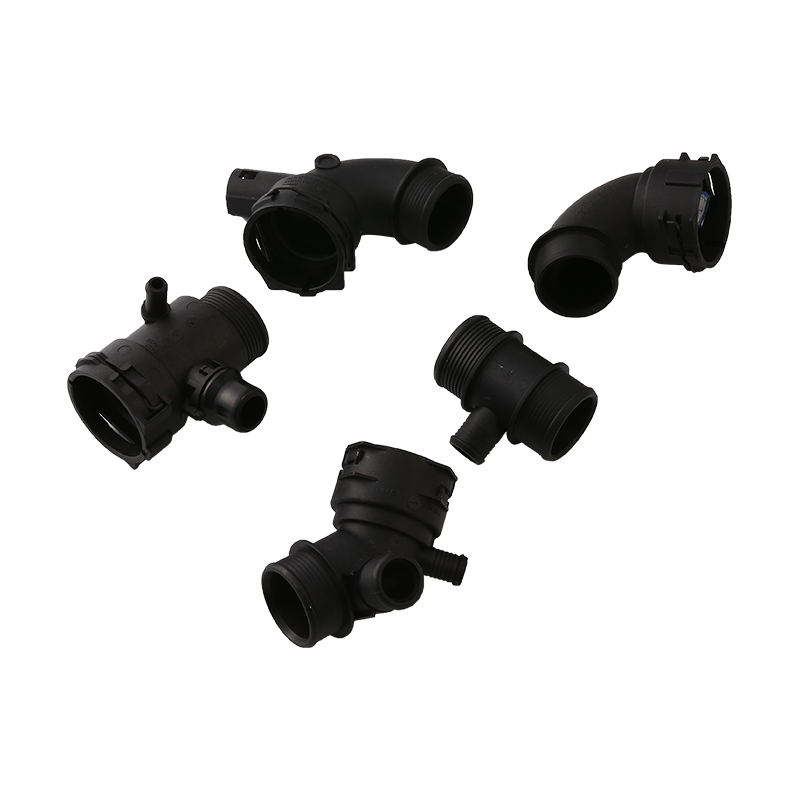
In many vehicles, these fastening solutions may be located near Fuel Line Coolant Hose assemblies because fuel and cooling systems are often routed through similar areas of the engine compartment or chassis.
Factors That Influence Fastener Selection
The choice of Fuel Line Fastener depends on several application requirements. Fuel line size is one of the primary considerations. Different line diameters require fasteners designed to provide proper support without restricting the line or causing unnecessary stress.
Environmental conditions also play an important role. Fuel system components may be exposed to vibration, moisture, road debris, and changing temperatures. Fasteners are therefore selected based on their ability to perform under these operating conditions.
Installation requirements can also affect fastener selection. Some vehicle manufacturers prefer fastening solutions that support efficient assembly processes, while others may prioritize accessibility for future maintenance and repairs.
Material selection is another consideration. Plastic fasteners are often used for their corrosion resistance and lightweight characteristics, while metal fasteners may be selected for applications requiring additional structural strength.
Fuel Line Fasteners in Modern Vehicle Layouts
Modern vehicles contain increasingly complex fluid management systems. Fuel lines, coolant hoses, electrical wiring, and other components are often packaged within a limited space. As a result, fastening systems have evolved to support more organized routing arrangements.
Integrated mounting brackets are now commonly used to secure multiple components simultaneously. A single bracket may support fuel lines, wiring harnesses, and Fuel Line Coolant Hose assemblies while helping maintain separation between different systems.
This approach can contribute to cleaner component layouts and simplify installation during vehicle assembly. It may also support easier inspection and servicing throughout the vehicle's operational life.
Maintenance Considerations
Regular inspection of fuel line fastening components is an important part of vehicle maintenance. Over time, exposure to vibration and environmental conditions may contribute to wear, deformation, or damage.
Technicians often inspect clips, retainers, clamps, and mounting brackets whenever fuel system service is performed. Components showing visible wear may be replaced to help maintain secure fuel line positioning.
Nearby Fuel Line Coolant Hose assemblies are frequently checked during the same inspection process because multiple fluid systems often share routing paths within the vehicle. Attention to both fastening and fluid transfer components can support continued system functionality and organized vehicle operation.
Fuel Line Fastener designs continue to adapt to changing automotive requirements. Whether in the form of clips, retainers, clamps, or integrated mounting systems, these components remain an important part of fuel line connections and fluid system management throughout modern vehicles.
.png)