 English
 Español


Fuel Line Coolant Hose Applications in Automotive Cooling Systems
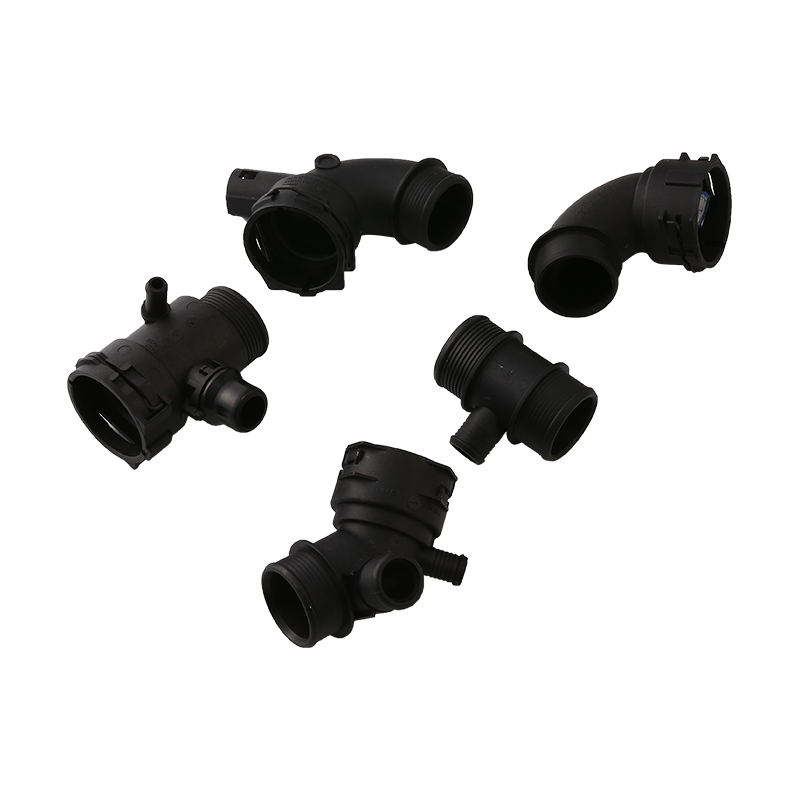
Vehicle cooling systems are designed to regulate engine temperature and support stable operating conditions under a variety of driving environments. Within these systems, the Fuel Line Coolant Hose serves as an important pathway for coolant circulation, while the Fuel Line Fastener helps secure fluid lines and maintain organized routing throughout the vehicle. Together, these components contribute to the management of automotive fluid systems and support efficient vehicle packaging.
As vehicle designs become increasingly integrated, coolant hoses are required to operate in areas where multiple systems are located close together. This has increased the importance of hose design, routing, and installation practices in modern automotive engineering.
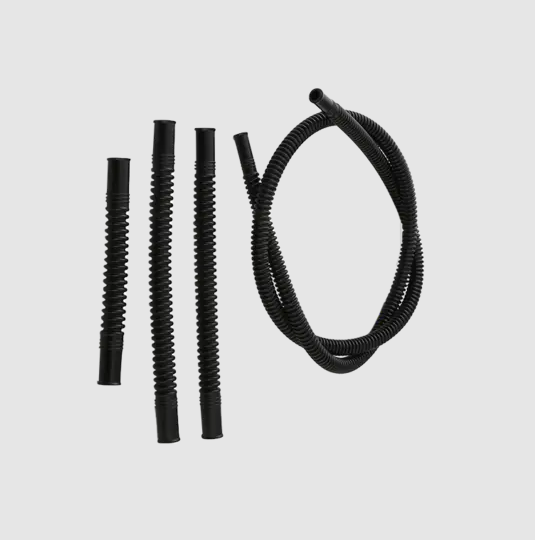
The Role of Fuel Line Coolant Hoses in Cooling Systems
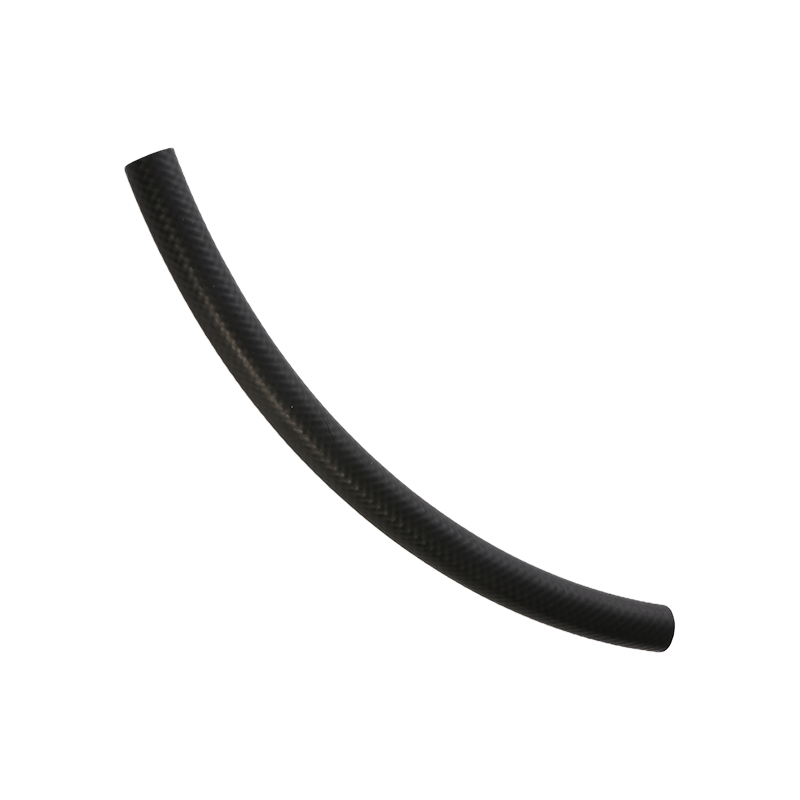
A Fuel Line Coolant Hose is designed to transport coolant between various parts of the vehicle's cooling system. Coolant continuously circulates through the engine and associated components to help manage the heat generated during operation.
These hoses form connections between key cooling system elements and provide flexible routing where rigid tubing may not be practical. Their flexibility allows engineers to design cooling pathways that fit within limited vehicle space while accommodating engine movement and vibration.
In many applications, coolant hoses are routed alongside fuel lines and other fluid transfer components. Proper routing and support help maintain system organization and reduce unnecessary movement during vehicle operation.
Common Applications in Automotive Vehicles
Fuel Line Coolant Hose assemblies can be found in several areas of a vehicle. One of their primary functions is connecting cooling system components and allowing coolant to circulate through designated pathways.
Within the engine compartment, coolant hoses are often used to link various cooling-related components. Their flexible structure allows them to accommodate different routing requirements while maintaining fluid flow between connected parts.
Coolant hoses are also used in systems that require temperature management beyond the engine itself. As automotive technology continues to develop, fluid routing networks have become more extensive, increasing the need for reliable hose assemblies throughout the vehicle.
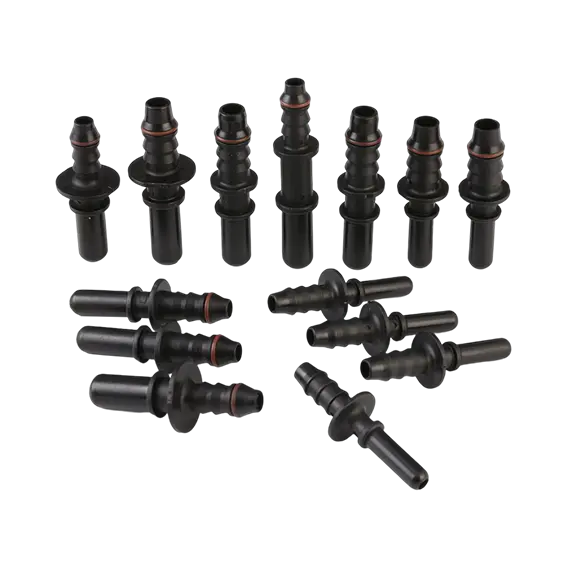
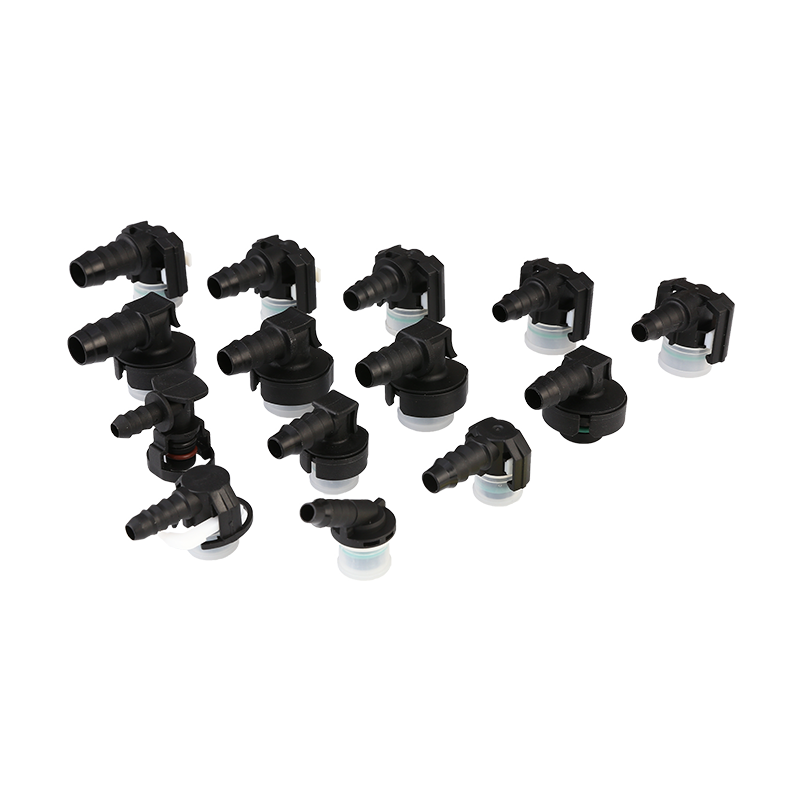
To support these installations, a Fuel Line Fastener may be used to secure nearby hoses and lines. Fasteners help keep components properly positioned and assist in maintaining organized layouts within crowded engine compartments.
Design Considerations for Coolant Hose Applications
Several factors influence the design and application of Fuel Line Coolant Hose products in automotive systems.
Temperature exposure is one of the primary considerations. Cooling systems operate under varying thermal conditions, requiring hose materials that can perform throughout regular vehicle operation.
Flexibility is another important characteristic. Because coolant pathways often include bends and complex routing patterns, hoses must be able to adapt to available installation space without compromising functionality.
Pressure management is also considered during hose design. Cooling systems rely on controlled fluid circulation, making proper hose construction an important aspect of overall system performance.
In addition, coolant hoses are commonly designed to work alongside mounting brackets, routing clips, and Fuel Line Fastener components that help secure fluid pathways throughout the vehicle.
Inspection and Maintenance Practices
Like many automotive components, coolant hoses benefit from regular inspection. Over time, environmental exposure and operating conditions may contribute to visible signs of aging.
Maintenance procedures often include checking hose surfaces, connection points, and support hardware. Technicians may also inspect nearby Fuel Line Fastener components to confirm that hoses remain securely positioned.
Routine inspections can help identify components that may require attention before more significant maintenance becomes necessary. Since cooling and fuel systems are frequently located within the same areas of a vehicle, inspections often involve multiple fluid management components at the same time.
As automotive systems continue to evolve, the Fuel Line Coolant Hose remains an important part of coolant circulation and thermal management. Combined with supporting components such as the Fuel Line Fastener, these hose assemblies contribute to organized fluid routing and the effective operation of modern vehicle cooling systems.