 English
 Español


Fuel Line Coolant Hose Material Differences in Vehicle Systems
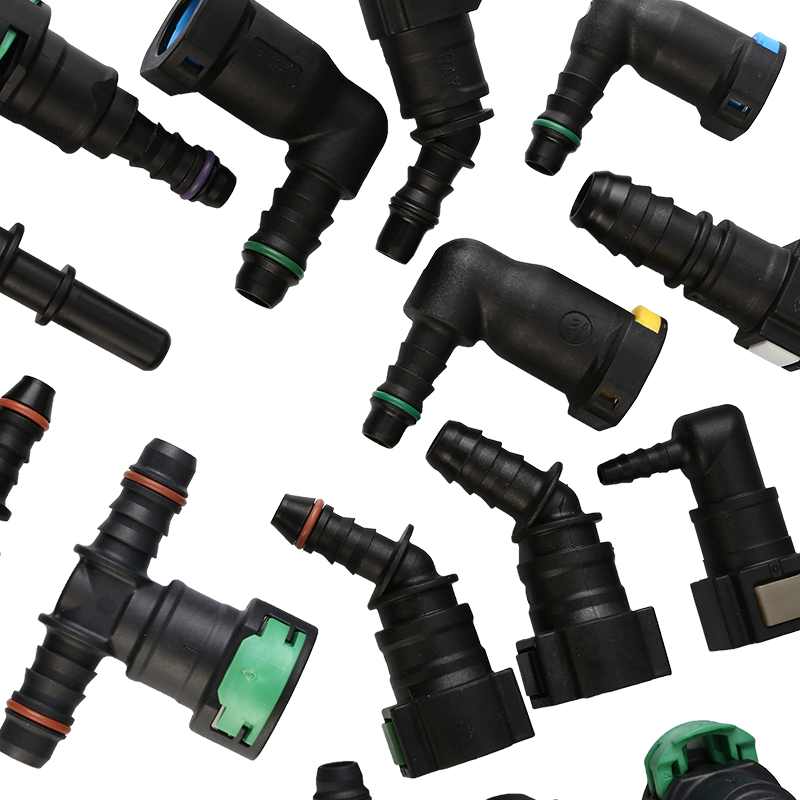
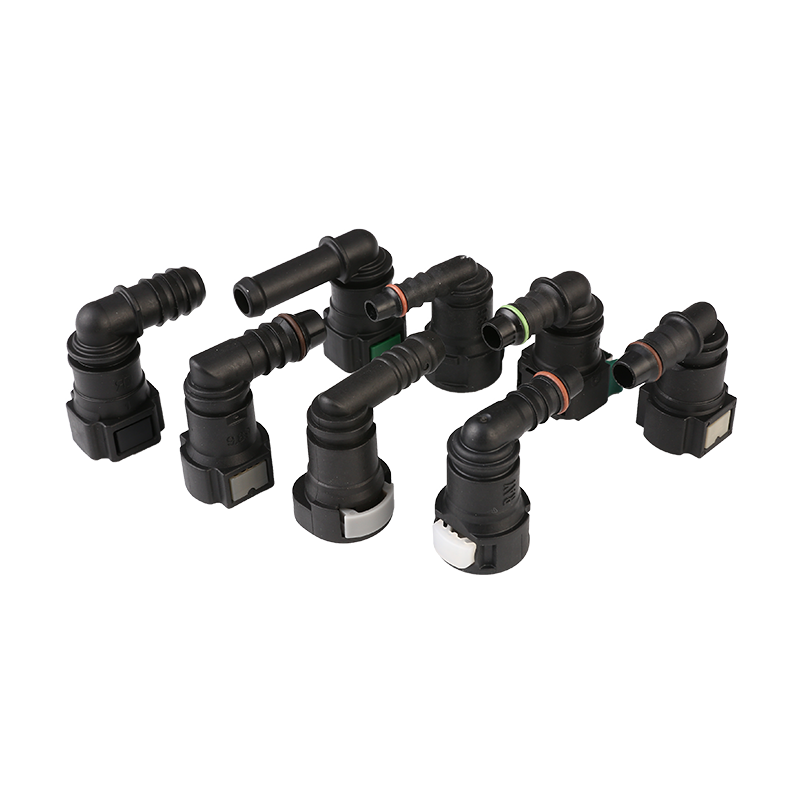
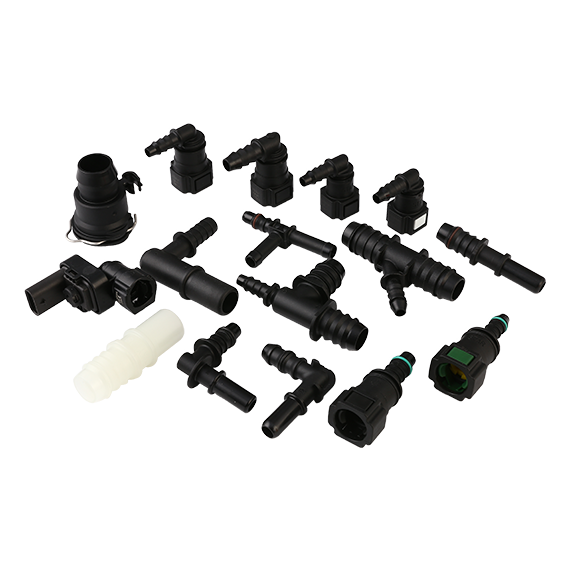
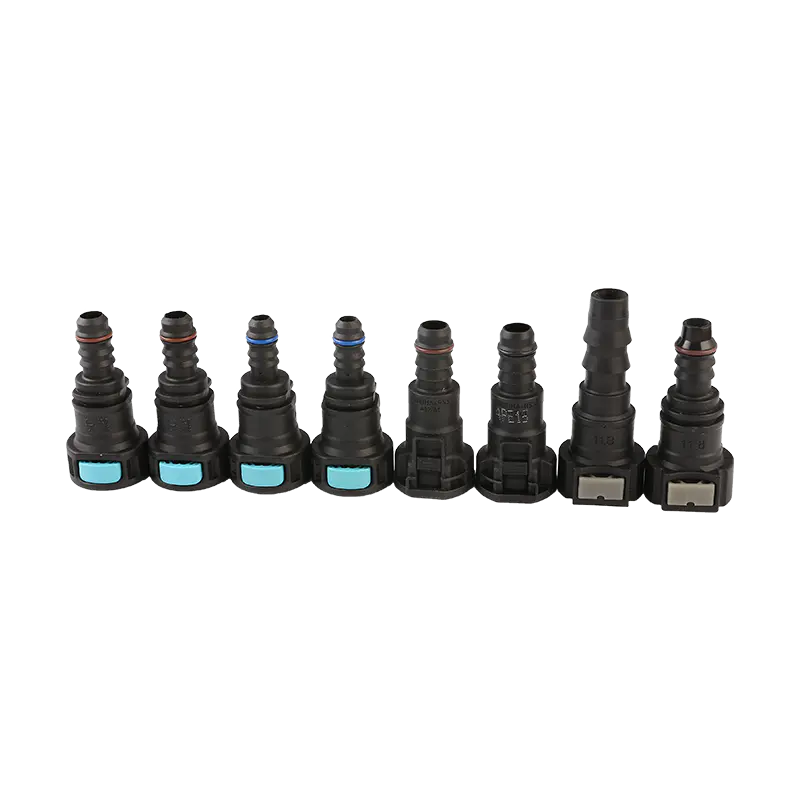
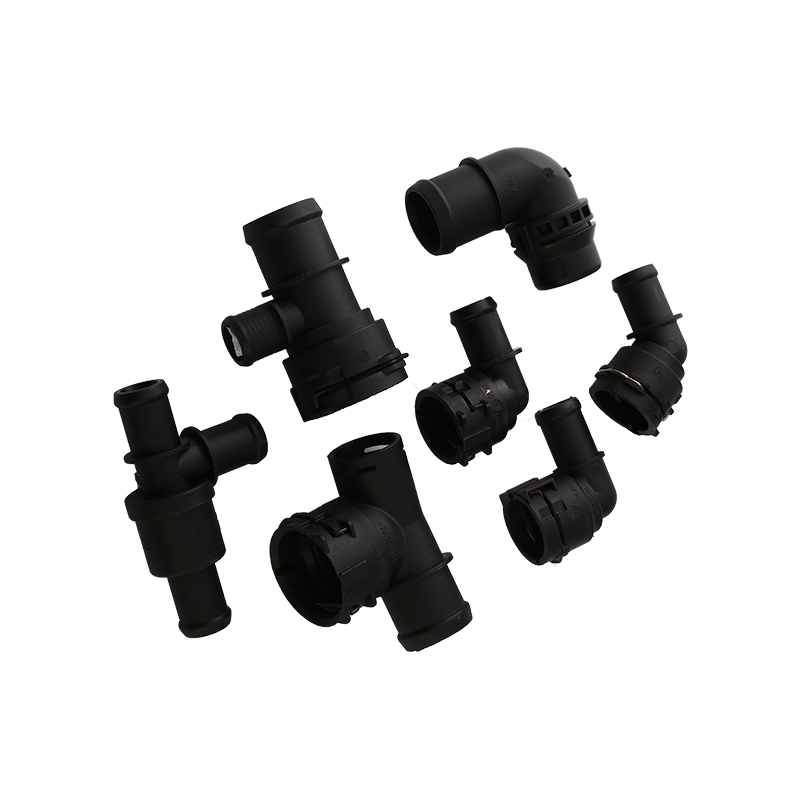
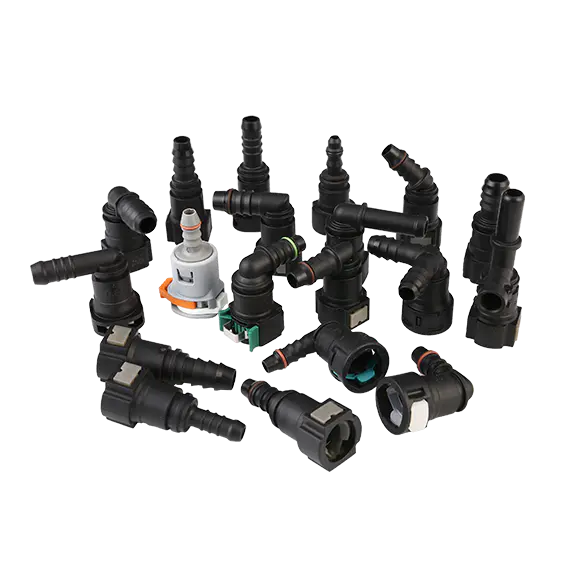
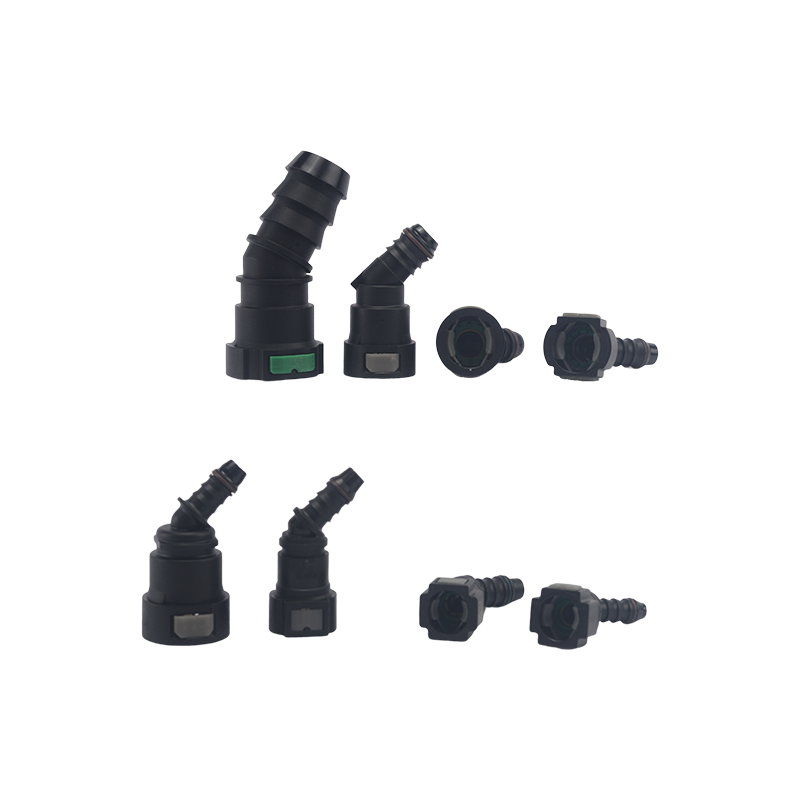
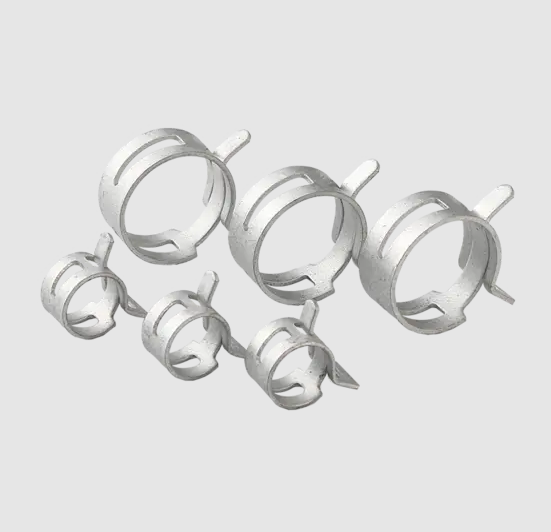
Modern vehicles rely on a variety of fluid management components to support fuel delivery and temperature control. The Fuel Line Coolant Hose is used within cooling systems to transport coolant between connected components, while the Fuel Line Fastener helps secure fluid lines and maintain organized routing throughout the vehicle. Although these components serve different functions, both are influenced by material selection and system requirements.
Because fuel and coolant systems handle different types of fluids and operating conditions, the materials used for hoses are often selected according to their intended application. Understanding these material differences can help explain why various hose constructions are used across automotive systems.
Materials Commonly Used in Coolant Hose Applications
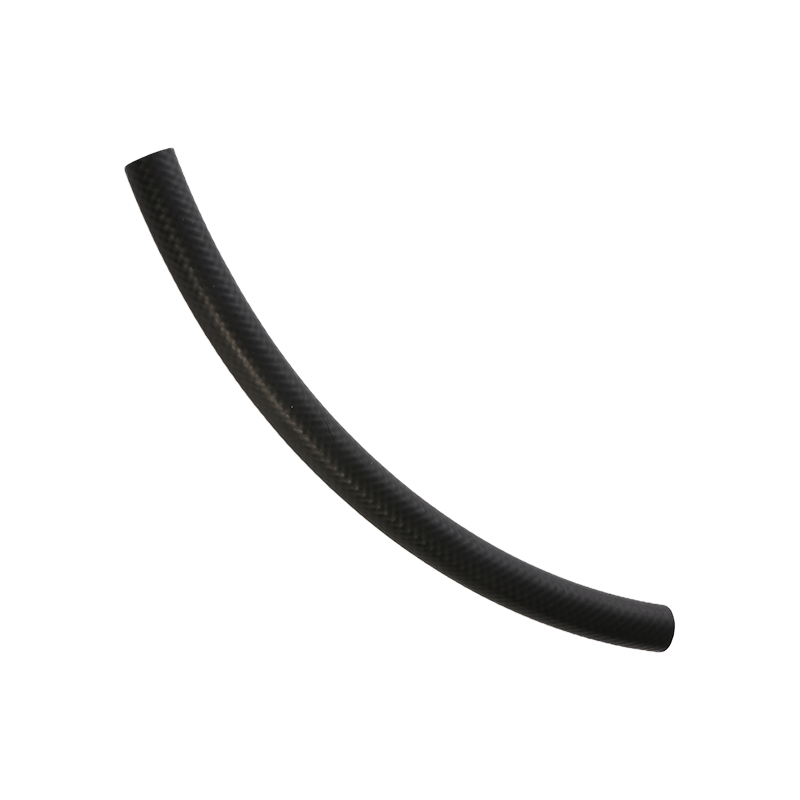
Coolant hoses are designed to transport coolant through systems that experience changing temperatures during vehicle operation. As a result, the materials used in Fuel Line Coolant Hose products are selected with consideration for thermal exposure and compatibility with coolant formulations.
EPDM rubber is one of the materials frequently used in coolant hose manufacturing. It is commonly chosen for applications involving coolant circulation because of its suitability for temperature fluctuations and long-term exposure to coolant-based fluids.
In addition to rubber-based constructions, some coolant hoses may incorporate reinforcement layers. These layers help support the hose shape and structural stability while allowing flexibility for installation within complex vehicle layouts.
The material structure of a coolant hose often depends on the location of the hose, the routing requirements, and the operating environment within the vehicle.
Differences Between Fuel and Coolant Hose Materials
Although fuel hoses and coolant hoses may appear similar from the outside, they are generally designed for different fluid environments.
Fuel hoses are commonly manufactured using materials selected for compatibility with fuels and fuel vapors. These materials are intended to withstand contact with substances that differ significantly from coolant formulations.
By comparison, Fuel Line Coolant Hose products are developed to support coolant circulation and temperature management applications. Materials used in coolant hoses are selected according to the demands of cooling systems rather than fuel transport.
Because of these differences, hose materials are typically matched to their intended fluid system. Automotive engineers consider factors such as fluid compatibility, operating temperature, flexibility, and service conditions when selecting hose materials for specific applications.
Factors Influencing Material Selection
Several considerations affect the choice of materials used in automotive hose systems.
Temperature exposure is often one of the primary factors. Cooling systems operate in environments where hoses must tolerate repeated heating and cooling cycles during vehicle use.
Chemical compatibility is also important. Different fluids interact with materials in different ways, making material selection an important part of hose design.
Flexibility is another consideration, particularly in vehicles where hoses must be routed through confined spaces. Materials that support bending and installation can help accommodate complex system layouts.
Durability under vibration is also relevant. Vehicle movement creates continuous vibration that can influence both hoses and supporting components. For this reason, Fuel Line Fastener products are commonly used to help secure hoses and reduce unnecessary movement within the system.
Material Considerations in Modern Vehicle Design
Modern vehicle designs often incorporate compact engine compartments and increasingly integrated fluid management systems. Fuel lines, coolant hoses, electrical harnesses, and other components are frequently located near one another.
To support these layouts, manufacturers select materials that align with the operating requirements of each system while also considering installation efficiency and maintenance accessibility. Reinforced hose constructions, specialized rubber compounds, and improved manufacturing techniques continue to support the development of automotive fluid systems.
At the same time, supporting hardware such as the Fuel Line Fastener remains an important part of maintaining organized routing and component positioning throughout the vehicle.
The material differences found in Fuel Line Coolant Hose products reflect the unique demands of automotive cooling systems. Together with properly selected fastening solutions, these hose materials help support fluid circulation, system organization, and the day-to-day operation of modern vehicles.