 English
 Español


Why Are More Buyers Reviewing Fuel Pipe Fittings and Radiator Hoses Together During Vehicle Platform Updates?
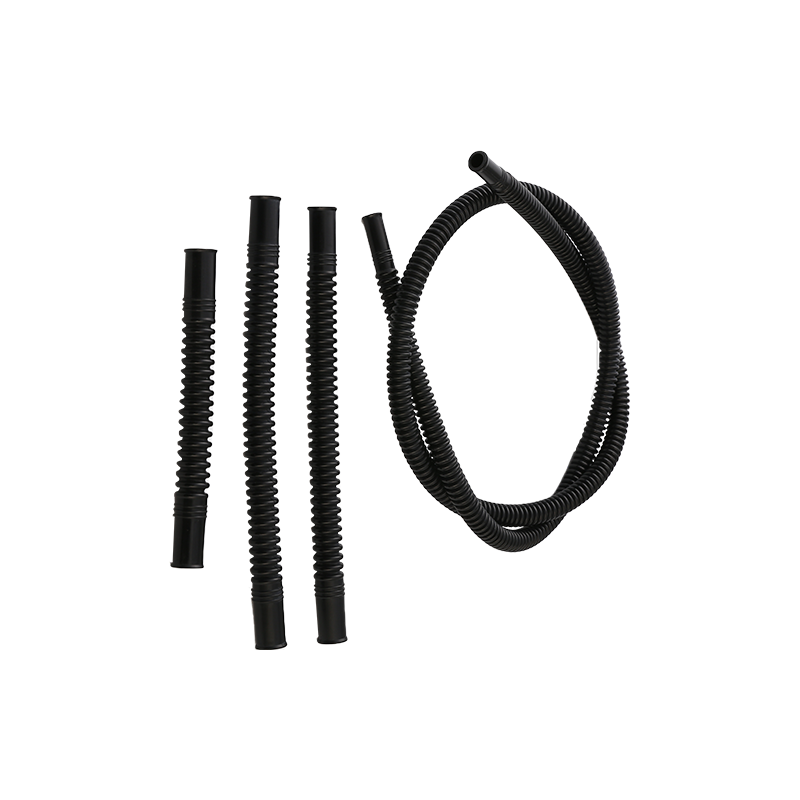
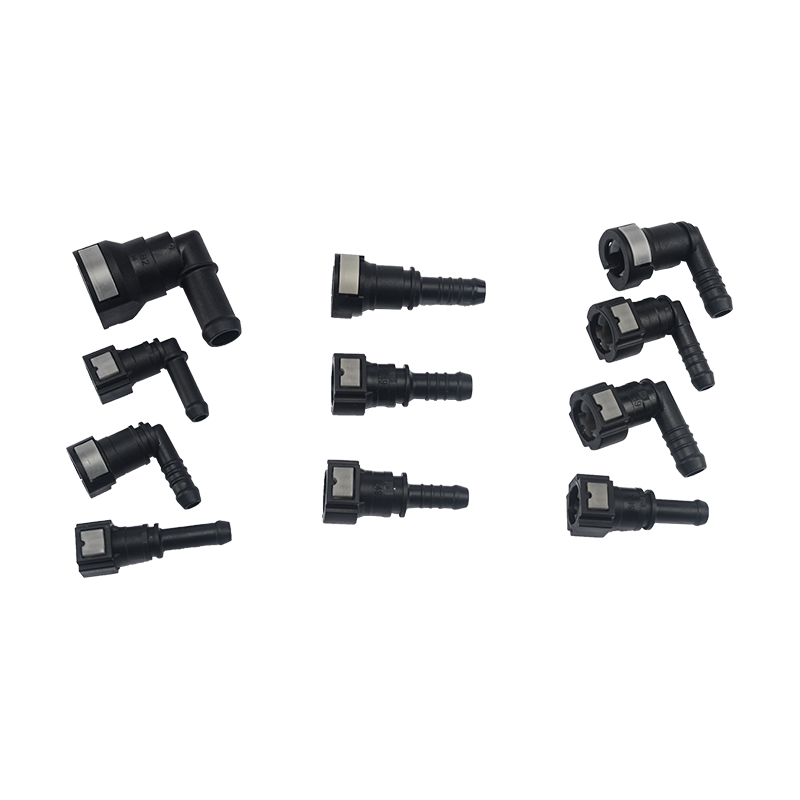
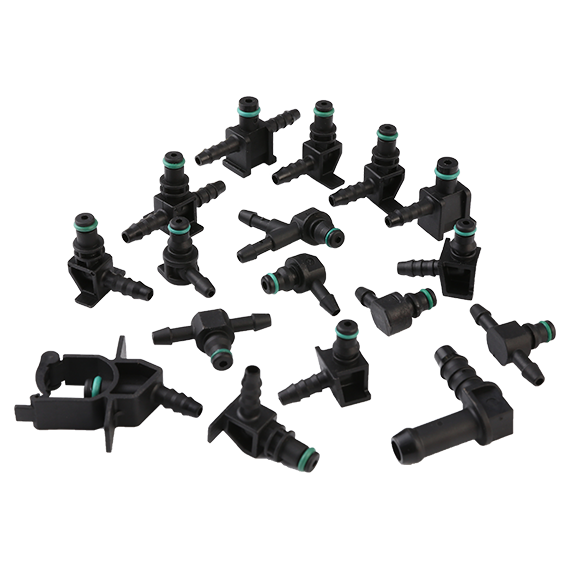
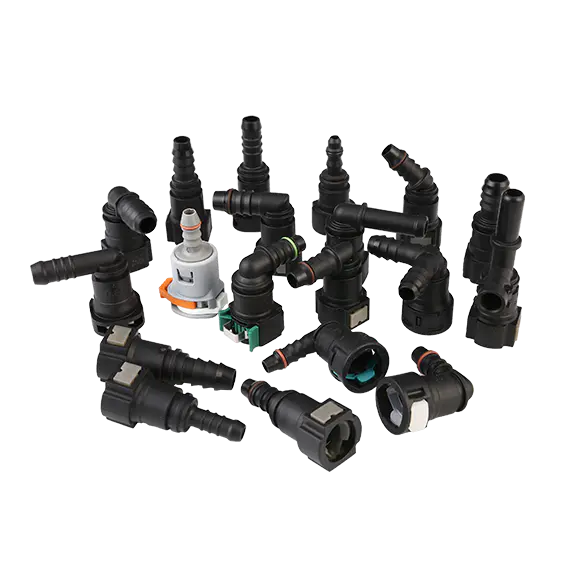
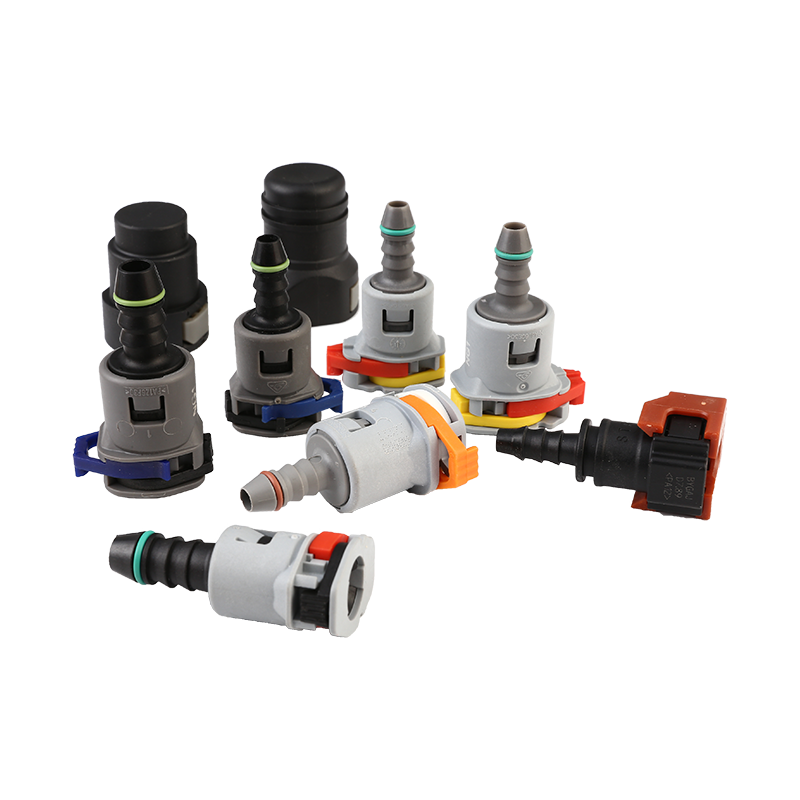
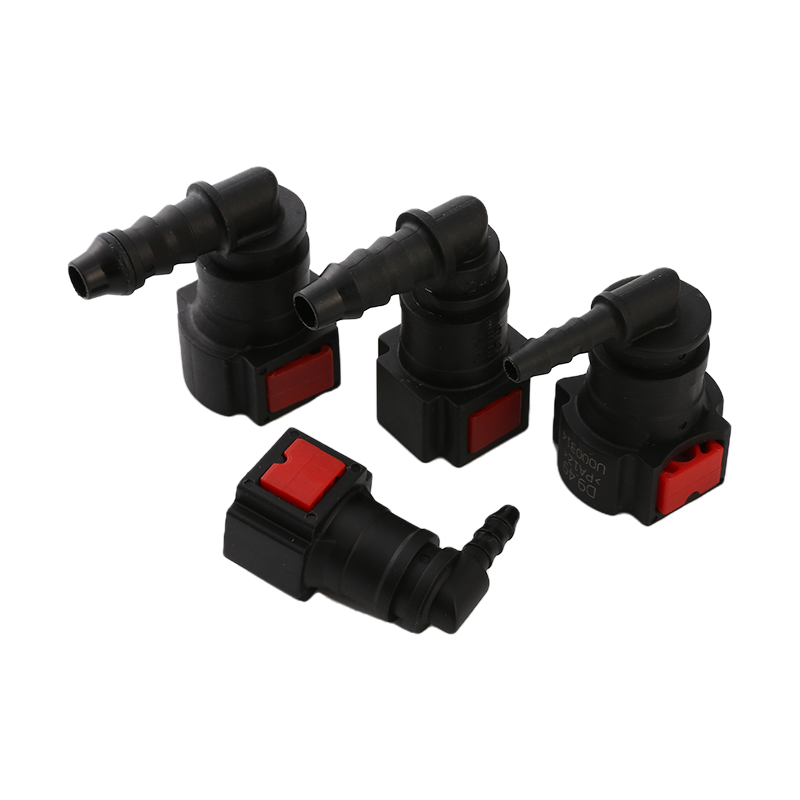
The automotive supply chain is placing greater attention on system compatibility rather than treating individual components as separate purchases. During maintenance planning, new vehicle development, and aftermarket sourcing, procurement teams are increasingly evaluating Automotive Fuel Pipe Fittings alongside Automotive Coolant Radiator Hose solutions to improve installation efficiency, simplify inventory management, and reduce unexpected maintenance issues. For manufacturers and distributors, selecting components that are designed with consistent quality standards and stable production processes has become an important part of long-term supply planning.
Why System Compatibility Has Become a Purchasing Priority
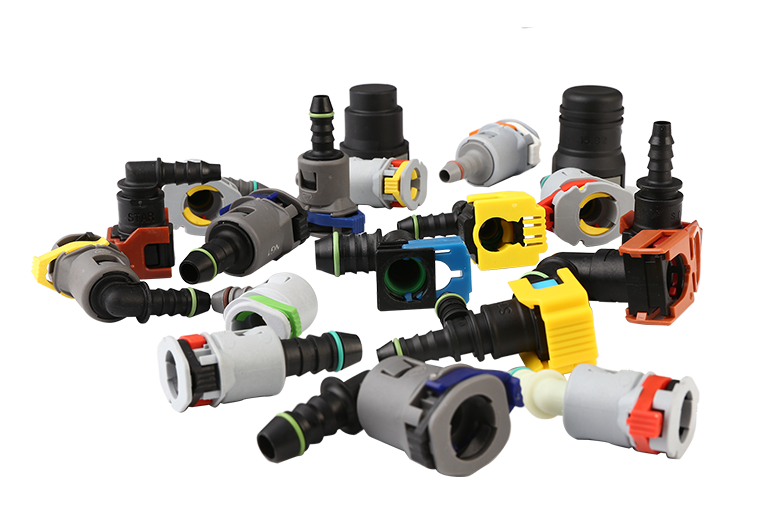
Vehicle manufacturers continue to optimize engine layouts, thermal management systems, and fuel delivery architectures. As a result, purchasing decisions are shifting beyond individual specifications toward how multiple components work together within the same vehicle platform.
Buyers are commonly looking for answers to questions such as:
Can fuel pipe fittings match different hose materials?
Are coolant hoses suitable for both high- and low-temperature environments?
Will dimensional consistency simplify assembly?
Is the supplier capable of maintaining stable production over long-term projects?
These practical concerns directly influence sourcing decisions, especially for OEM programs and international aftermarket distribution.
Material Selection Matters More Than Ever
Both fuel and cooling systems operate under demanding conditions, making material selection a key engineering consideration.
For Automotive Fuel Pipe Fittings, buyers often evaluate corrosion resistance, sealing reliability, dimensional accuracy, and compatibility with different fuel system designs.
For Automotive Coolant Radiator Hose, engineers typically focus on:
- Resistance to coolant chemicals
- Flexibility during installation
- Heat and pressure tolerance
- Long-term durability under repeated thermal cycles
Selecting materials according to the operating environment helps reduce maintenance frequency while supporting consistent vehicle performance throughout the service life.
Manufacturing Consistency Supports Stable Supply
From a manufacturer's perspective, product quality depends not only on raw materials but also on process control throughout production.
A stable manufacturing process generally includes precision tooling, controlled molding or forming procedures, dimensional inspection, and routine quality verification before shipment. Consistency between production batches is especially important for customers managing large purchasing programs across multiple vehicle models.
Manufacturers with integrated production capabilities can also respond more efficiently when customers require customized dimensions, connection types, or packaging solutions for different regional markets.
What Overseas Buyers Frequently Evaluate Before Ordering
Many purchasing managers today compare suppliers using practical evaluation criteria instead of focusing only on price.
Common assessment points include:
- Technical drawing support before production
- Sample availability for testing
- Manufacturing capacity for recurring orders
- Flexible OEM or private label options
- Quality inspection procedures
- Export packaging suitable for international logistics
These factors help buyers reduce sourcing risks while improving communication during project development.
Supporting Both OEM and Aftermarket Requirements
The needs of OEM customers and aftermarket distributors are not always identical. OEM projects often require strict dimensional consistency and engineering cooperation during product development, while aftermarket customers usually prioritize broad application coverage and dependable inventory availability.
As a manufacturer, we support both sourcing models by working closely with customers during product selection, sample confirmation, and production planning. Technical discussions at the beginning of a project often help identify suitable specifications before mass production begins, reducing unnecessary revisions later in the process.
This collaborative approach also allows customers to consolidate purchasing for multiple automotive fluid system components from one manufacturing partner whenever appropriate.
Choosing a Manufacturing Partner for Long-Term Cooperation
Selecting automotive component suppliers involves more than comparing catalog specifications. Buyers increasingly value suppliers that communicate clearly, understand international quality expectations, and provide consistent support throughout the purchasing cycle.
When evaluating potential partners, it is worthwhile to consider production experience, engineering communication, inspection procedures, customization capability, and responsiveness during project execution. These aspects often contribute to smoother procurement and more predictable supply over time.
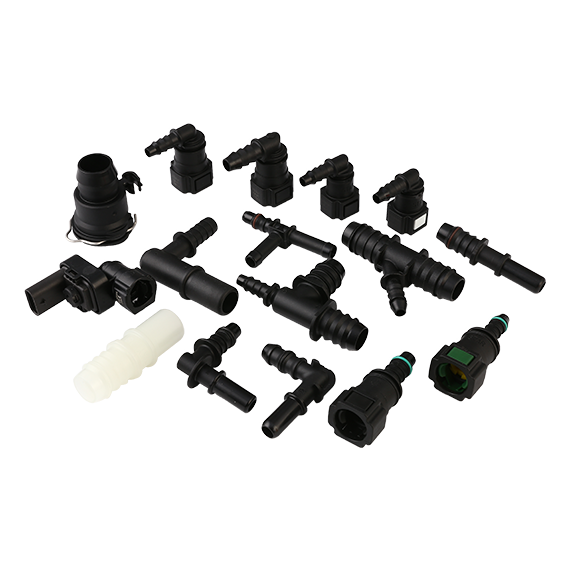
As global automotive platforms continue to evolve, sourcing decisions are becoming increasingly system-oriented. Whether your project involves Automotive Fuel Pipe Fittings for secure fuel delivery or Automotive Coolant Radiator Hose products for reliable thermal management, working with a manufacturer that emphasizes manufacturing consistency, engineering collaboration, and stable production can help simplify procurement while supporting long-term business growth.
.png)