 English
 Español


Do Plastic Automotive Hose Fittings Crack Easily
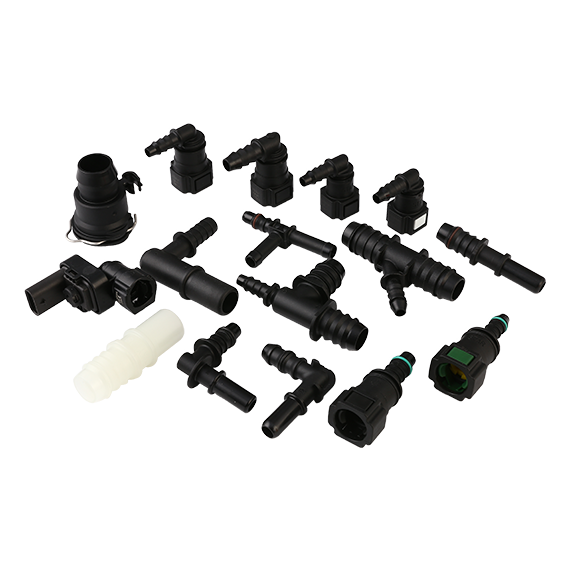
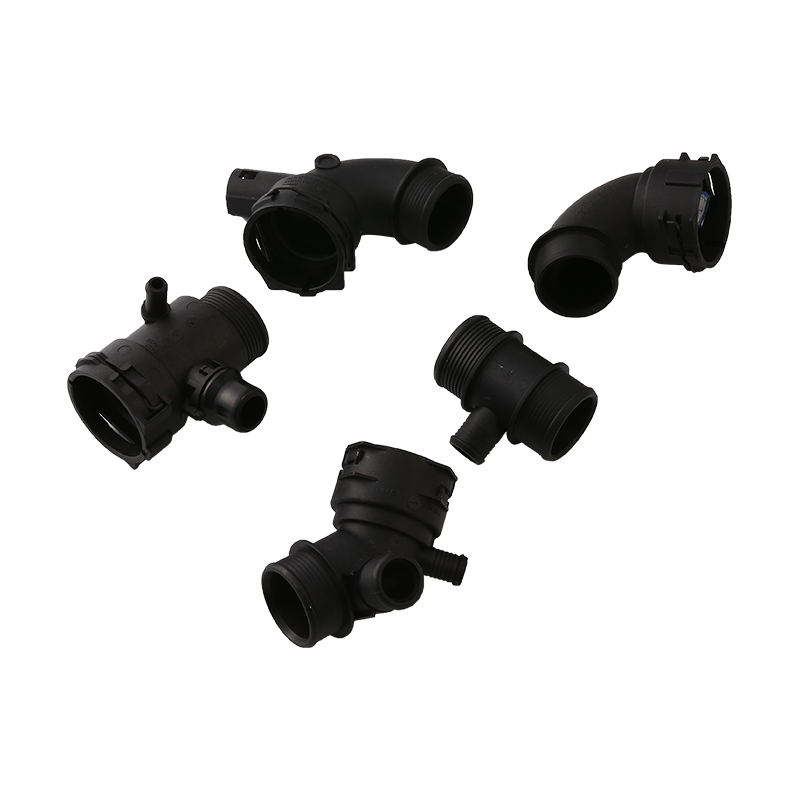
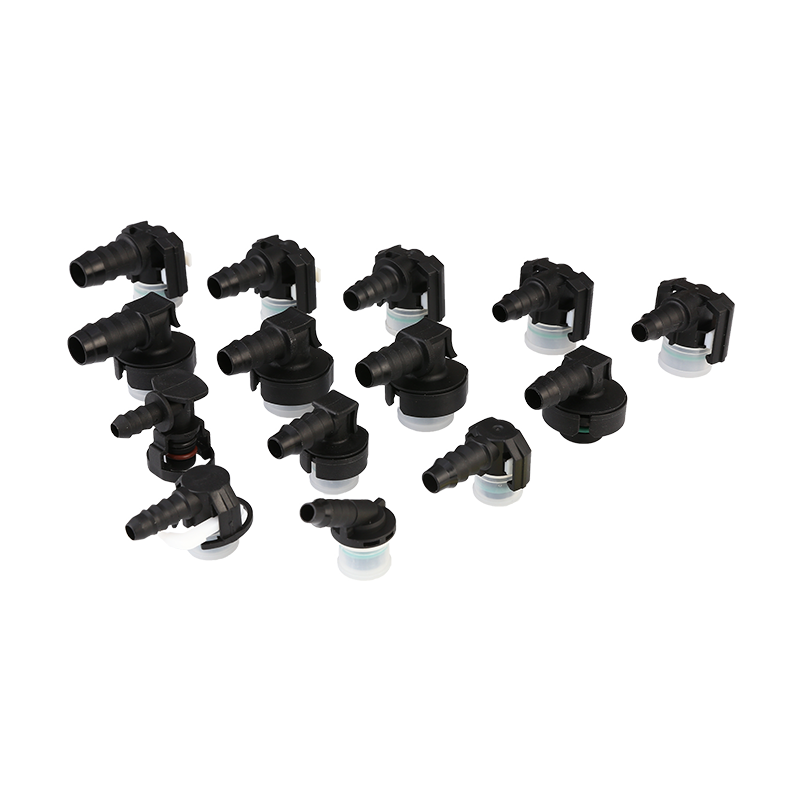
Many drivers have encountered a frustrating problem: their vehicle’s cooling system starts leaking not because of the radiator or thermostat, but because the plastic automotive hose fittings seem to become brittle and develop cracks over time. Linked to this concern is another frequent question — whether adopting a custom coolant hose instead of a standard replacement could reduce cracking risk and improve reliability. There are multiple real-world reports of coolant leaks coming from plastic parts of hose assemblies, sparking cautious curiosity among vehicle owners about what really causes these failures and what they can do about it.
At Linhai Alway Technology Co., Ltd., we’ve seen many of these user concerns firsthand. This article explores the root causes of cracking, common symptoms to watch for, and practical ways to address these issues without guesswork.
Why Users Notice Cracks More Often Than Expected
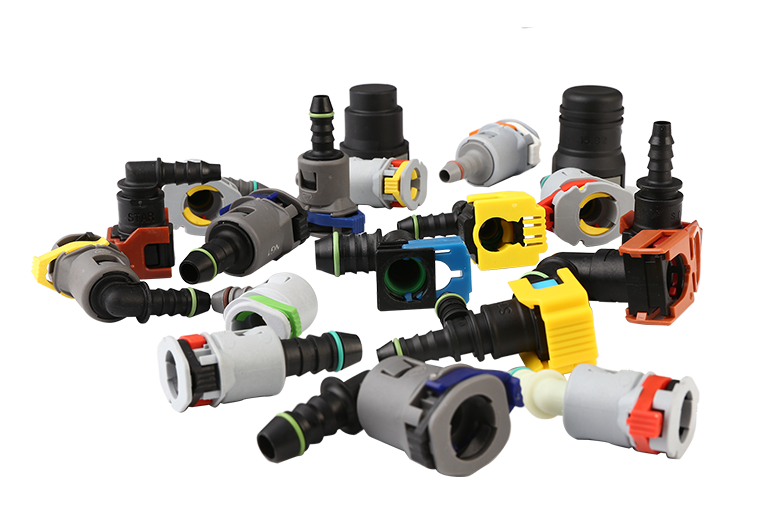
One clear pattern from user reports is that heat cycling — repeated expansion and contraction as the engine warms up and cools down — plays a significant role in degrading plastic automotive hose fittings over time. Users have described plastic connectors becoming brittle and eventually cracking, especially around bends or quick-disconnect sections of cooling hoses.
Plastic compounds used in hoses and connectors are engineered for a balance of flexibility and strength, but the constant high heat (often exceeding 200°F) and pressure fluctuations in cooling systems can slowly wear them down. The material that initially handles pressure and temperature well may gradually lose ductility, making cracks more likely under stress.
Another frequently mentioned factor is the quality of sealing at the fitting interface. As plastic automotive hose fittings age, the internal rubber seals or O-rings designed to maintain a tight connection can flatten or harden over repeated service cycles, creating tiny gaps. These gaps can let coolant escape under pressure, and while such leaks may start slowly, they often accelerate if not addressed.
Signs a Plastic Fitting May Be Cracking
Users who posted about coolant leaks often describe similar symptoms:
Visible drip points: Coolant residue or droplets appearing near where the hose meets the connector, even when clamps appear correctly positioned.
Coolant pooling: Hard-to-trace wet spots beneath the vehicle after sitting overnight.
Hairline fractures: Small, difficult-to-see cracks on the fitting surface that suddenly grow larger as coolant pressure builds during normal engine operation.
Sudden loss of coolant: In more severe cases, the plastic piece can shear off completely, causing a rapid coolant drop.
How a Custom Coolant Hose Design Can Help
For drivers who repeatedly face cracking issues, a custom coolant hose solution can mitigate some of the stress factors that contribute to cracking. Rather than simply replacing the old hose with a standard off-the-shelf part, customizing the hose length, routing angle, and even the type of material used can reduce sharp bends and points of mechanical load — areas where plastic fittings tend to fail.
A tailored hose design might:
Avoid forcing the plastic fitting into a location where it experiences excessive vibration
Use reinforced hose sections to spread stress more evenly
Improve sealing interfaces with more durable clamps or optimized O-ring sizes
Custom solutions can also allow material upgrades for higher temperature tolerance — a benefit in engines that run hotter than they were originally designed for.
Practical Maintenance Tips to Reduce cracking Risk
Here are some proactive steps vehicle owners can take to manage or avoid premature fitting failures:
Inspect regularly: During each oil change or service interval, inspect hose ends and plastic connectors for soft spots, discoloration, or hairline cracks.
Replace as a set: If a plastic fitting shows signs of wear, consider replacing the entire hose assembly rather than just the fitting alone.
Use quality clamps: Ensuring that the clamp is positioned properly — just behind the barb on the fitting — helps maintain a tight seal and reduces movement stress.
Route hoses carefully: Check that hoses aren’t rubbing against other components or bent sharply in ways that stress the fitting.
Are plastic automotive hose fittings prone to cracking? User experience suggests that under the right conditions — especially with heat cycling and pressure variation — cracking is not uncommon. However, understanding the underlying causes and taking steps such as choosing a custom coolant hose design or improving installation quality can reduce frustration and downtime. With thoughtful selection and regular maintenance, drivers can keep their cooling systems performing reliably longer.
.png)
.png)