 English
 Español


Plastic Automotive Hose Fittings Fail: What Causes Breaks
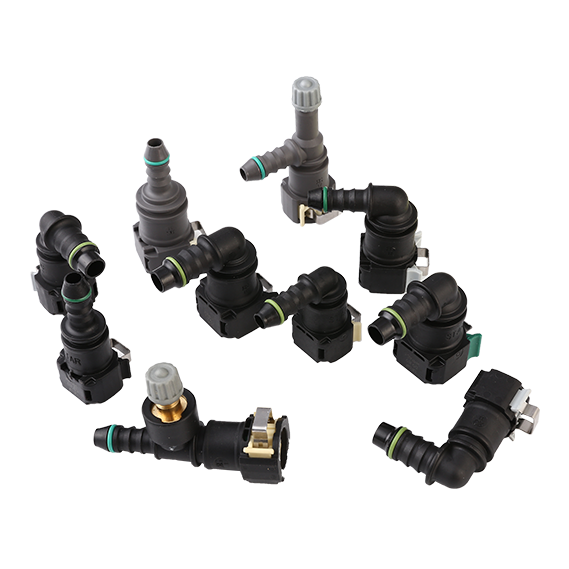
Users have raised concerns about the durability of plastic automotive hose fittings and why these components sometimes fail under normal use. Particularly in cooling systems, a custom coolant hose may include plastic fittings designed to connect sections of hose and maintain coolant flow. Yet some vehicle owners have encountered premature failures where these fittings crack or break off entirely, cause to coolant loss and potential engine overheating.
1. Thermal Stress and Heat Cycling
One of the more common reasons for plastic automotive hose fittings to fail is thermal cycling — the repeated heating and cooling cycles that occur every time an engine is started and stopped. Cooling systems typically operate at high temperatures, and over time, the constant expansion and contraction can make plastic components brittle. These brittle fittings may develop microscopic cracks that expand until they break under pressure.
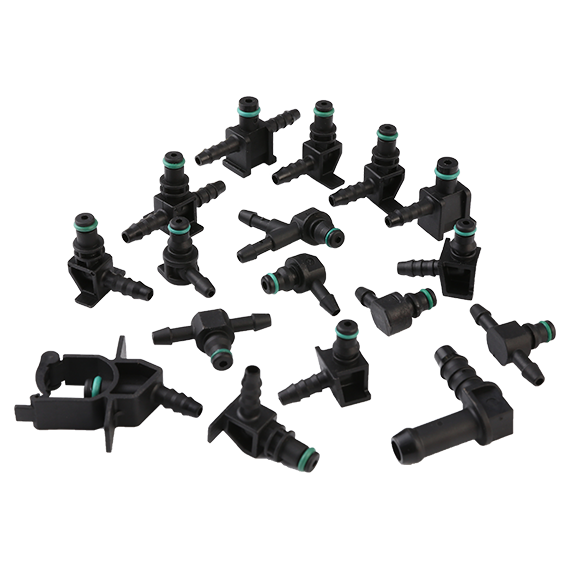
Cooling hoses, including modular designs used in modern engines, often contain multiple molded connectors that branch off in various directions. These connector points are particularly vulnerable because they are exposed to intense heat, coolant vibration, and pressure changes.
2. Vibration and Mechanical Fatigue
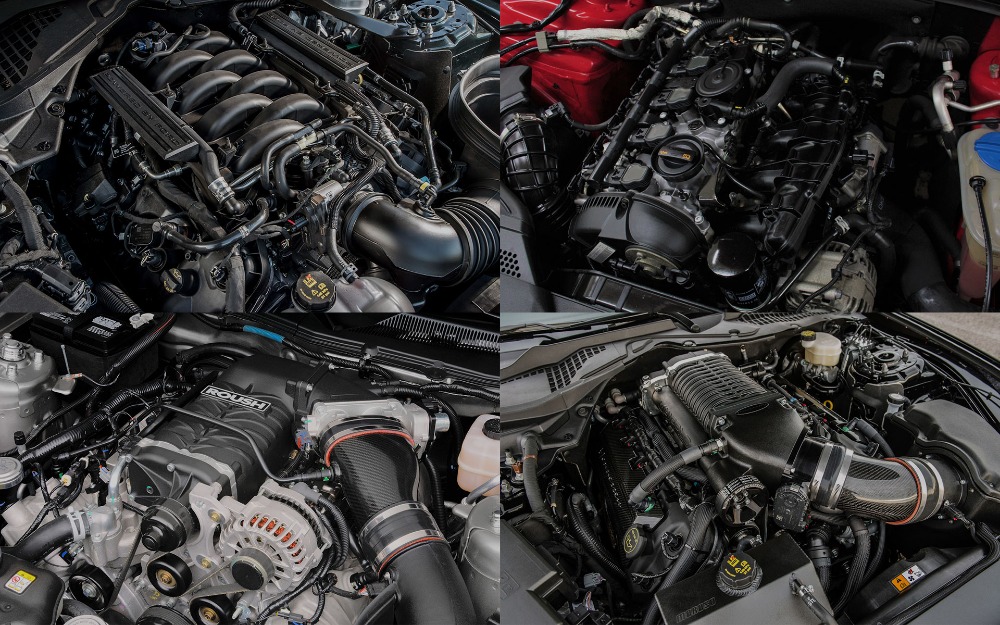
Engines vibrate during normal operation, and these vibrations travel through the cooling system. Plastic fittings, though resistant to corrosion and lightweight, are inherently less flexible than rubber hoses. When a fitting is placed near high-vibration zones — such as close to the engine block or heater core — repeated vibration can cause micro-fractures to form. Over time, these fractures can grow and result in complete failure of the fitting under load.
3. Improper Attachment or Clamping
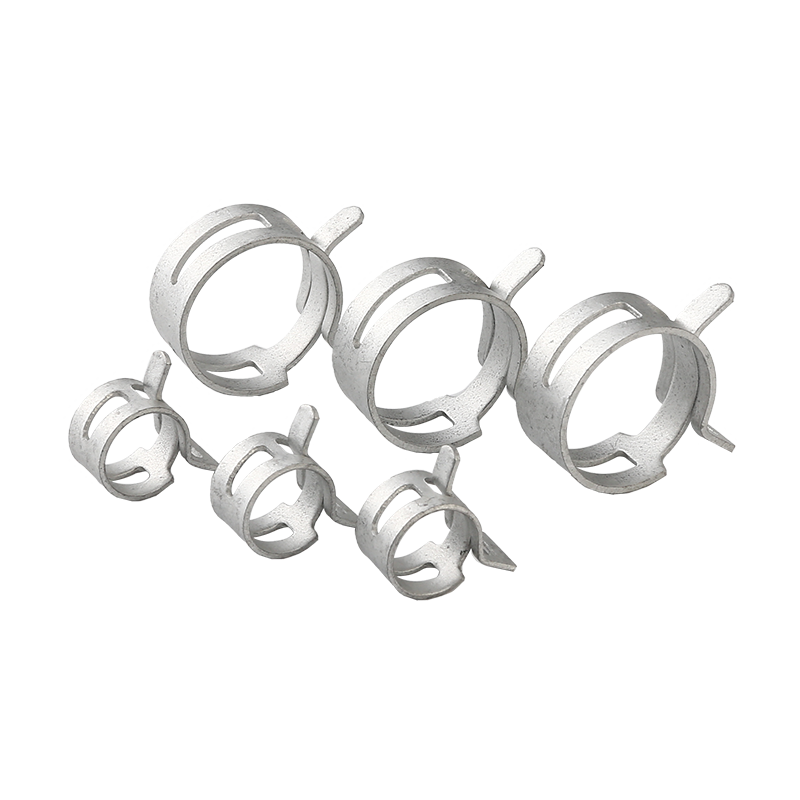
Another practical issue comes from the way fittings are secured to hoses. Plastic automotive hose fittings often rely on spring clamps rather than traditional screw-type hose clamps precisely because spring clamps exert lower compressive force and reduce the risk of putting too much stress on a plastic connector. However, users sometimes try to tighten a hose clamp excessively or use the wrong type of clamp, which can unintentionally damage the plastic barb or nipple.
When a clamp is over-tightened or improperly seated, it can cause localized stress or cut into the fitting material. Visible signs of this include deformed fitting edges or areas where coolant begins to seep before a fracture occurs.
4. Coolant Pressure and System Load
Modern engines operate with variable cooling system pressures, and high pressure can magnify weaknesses in plastic parts. A fitting that looks fine during inspection may still be close to its loading limit, breaking only when the pressure pulses during highway driving or heavy engine loads. While many hoses themselves are designed to withstand higher pressures, the connection points — particularly plastic fittings — may be the weakest link under real-world conditions.
5. Age-Related Degradation and Environmental Exposure
All polymers degrade with time, especially when exposed to heat, coolant chemicals, ultraviolet radiation, and environmental contaminants. Rubber hoses are already known to age and eventually become brittle; the plastic fittings that connect them may age faster because they are often composed of harder resins that don’t flex as well. According to many user reports and studies of modular coolant hose systems, plastic connectors tend to become brittle after years of continuous exposure to heat and vibration, eventually causing cracks.
Early Detection and Maintenance Strategies
Identifying early signs of fitting failure can save time and money. Below are some common indicators to watch for:
Coolant residue or crust formation around fitting joints — A sign coolant is seeping out before a full fracture happens.
Hose detachment under light pressure — Suggests weakened fitting support.
Softening or distortion near hose ends — May indicate heat or age-related material breakdown.
Routine inspections during service intervals allow technicians or vehicle owners to identify and replace weak fittings before they completely fail.
Preventative Solutions
While plastic fittings still have practical advantages, there are ways to enhance overall cooling system reliability:
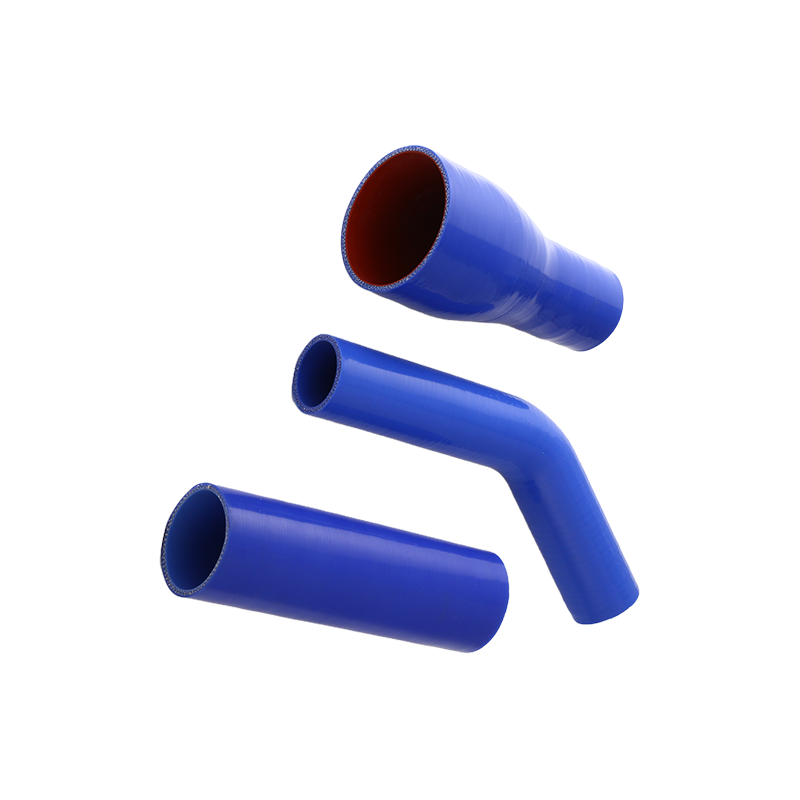
Reinforced Hose Materials: Using engineered hoses that handle heat and pressure without transferring stress to fittings.
Proper Clamping Techniques: Ensuring appropriate clamps are used without over-tightening.
Routing Optimization: Reducing sharp bends and unnecessary connector points in custom coolant hose assemblies to minimize stress at fittings.
At Linhai Alway Technology Co., Ltd., we specialize in designing cooling solutions that consider these real-world challenges, providing hose assemblies that balance both performance and durability.
Plastic automotive hose fittings remain an integral part of many vehicle cooling systems, but several mechanical and environmental factors can cause them to fail prematurely. Heat cycling, vibration, incorrect clamping, and age-related degradation all contribute to these issues. By understanding these causes and applying smart design and maintenance practices — including using tailored coolant hose assemblies — vehicle owners can reduce the likelihood of unexpected failures on the road. Regular inspection and proactive replacement of aging parts remain important steps in ensuring ongoing cooling system health.
.png)