 English
 Español


Can You Bypass Plastic Automotive Hose Fittings
Automotive owners often ask whether it’s possible to bypass plastic automotive hose fittings in a vehicle’s cooling system and whether doing so could reduce the risk of leaks or failures. A custom coolant hose design can sometimes eliminate problem points by reducing sharp bends or unnecessary connections, but many drivers remain unsure about practical options and the trade-offs involved in bypassing original fitting points.
At Linhai Alway Technology Co., Ltd., we work with customers seeking more reliable cooling solutions and can help clarify what’s realistic and what’s not when reconsidering hose fittings.
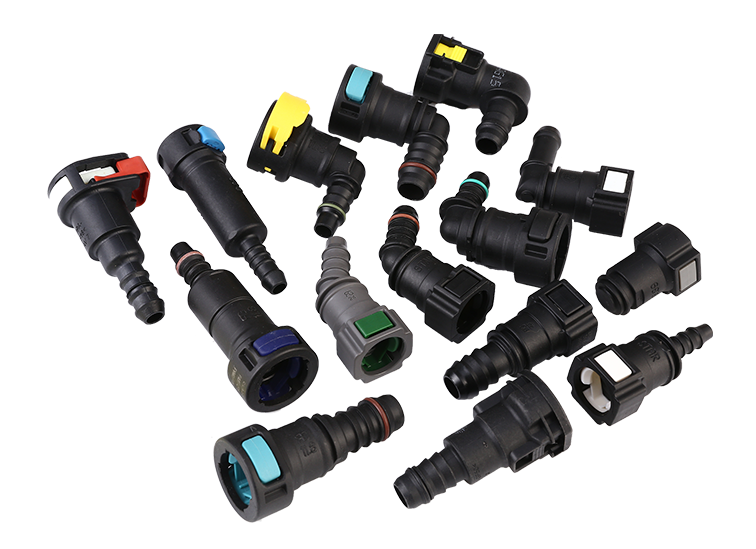
What Do People Actually Mean by Bypassing Fittings?
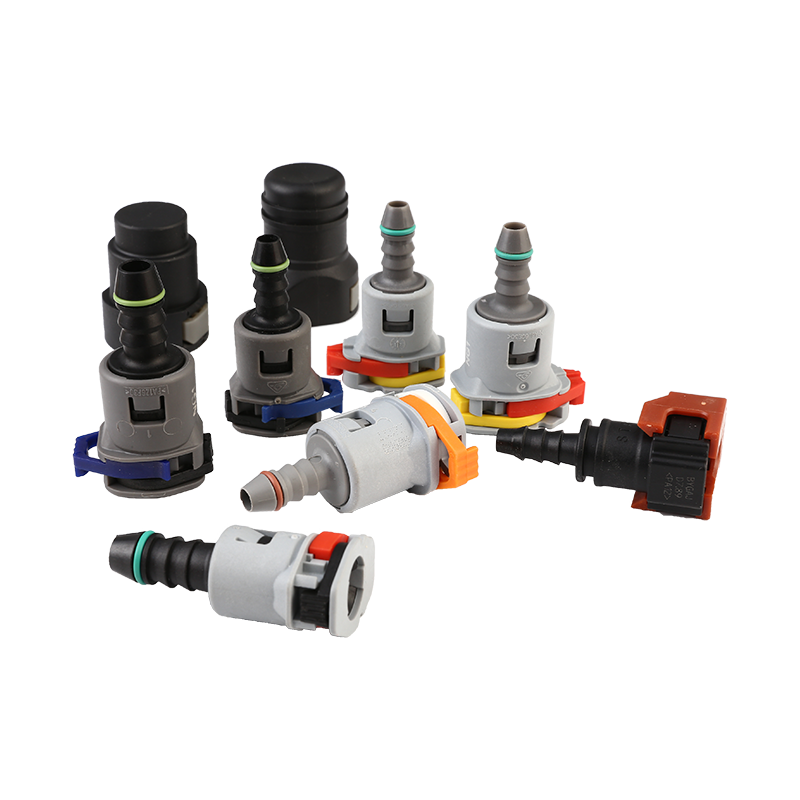
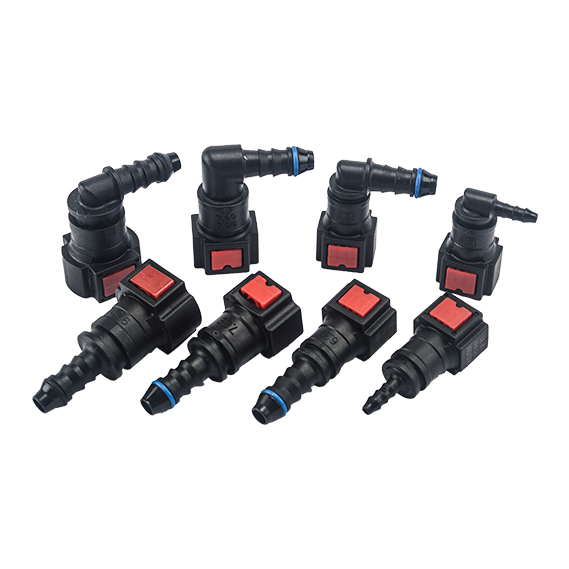
When someone asks about bypassing plastic automotive hose fittings, they usually mean eliminating a specific connector point and running a simpler hose path between components — for example, removing a plastic bypass connector or heater hose union and replacing that segment with a single continuous hose.
Here are some common scenarios vehicle owners describe:
Removing a bypass connector entirely and inserting a straight hose segment to simplify flow
Cutting off an old plastic fitting and clamping a generic hose directly onto remaining hose tails
Creating alternate routing using aftermarket „bypass“ paths through heater hoses or secondary lines
At initial glance, bypassing may appear to reduce the number of potential leak points — but it also removes engineered connection and sealing features, and often requires careful planning to avoid new issues.
Why Bypassing Isn’t Always Straightforward
There are several reasons why simply bypassing plastic automotive hose fittings isn’t always feasible:
1. Maintaining Coolant Sealing and Flow Control
The original fittings are designed to interface precisely with mating components, ensuring that coolant flows at the correct pressure and does not leak. When these fittings are removed or bypassed, creating an equally robust seal becomes challenging without specially designed adapters or custom assemblies.
2. Handling System Pressure and Heat
Automotive cooling systems operate under significant pressure and thermal cycling. Bypassing a connector does not eliminate the need to handle these pressures; in fact, an improvised hose route without proper supports can experience kinking or collapse when under load. This can restrict coolant circulation and cause overheating.
3. Risk of Vibration and Movement
Engine vibration and movement over time place stress on hose connections. Original fittings are often positioned to minimize these stresses. Without proper attachment points, a bypassed hose may experience increased fatigue at the clamp or junction, which can accelerate failure rather than prevent it.
4. Impact on Heater and Bypass Circuits
Some plastic fittings serve as junction points for multiple coolant paths — including heater cores and bypass loops. Removing them can inadvertently change flow patterns or eliminate necessary coolant routing that keeps engine temperatures stable.
Given these complexities, a simple “cut and clamp” bypass often turns out to be a temporary fix at best.
When Bypassing Can Make Sense — and When It Doesn’t
There are a few limited cases where bypassing might make sense temporarily:
Emergency Situations: Some drivers have used temporary hose bypasses to limp a vehicle to a repair facility if a heater hose connector fails mid-trip.
Non-Critical Loops: Bypassing a small secondary loop that has little impact on overall coolant management might be acceptable if managed with proper hose clamps and routing.
However, even in these situations, bypassing should be short-term — proper replacement with a designed solution or a custom coolant hose assembly is far more reliable in the long run. Bypassed hoses without engineered connectors often lack the durability needed for sustained daily driving.
Better Alternatives to Bypassing
Rather than bypassing plastic automotive hose fittings, consider these more effective alternatives:
Tailored Custom Hose Assemblies
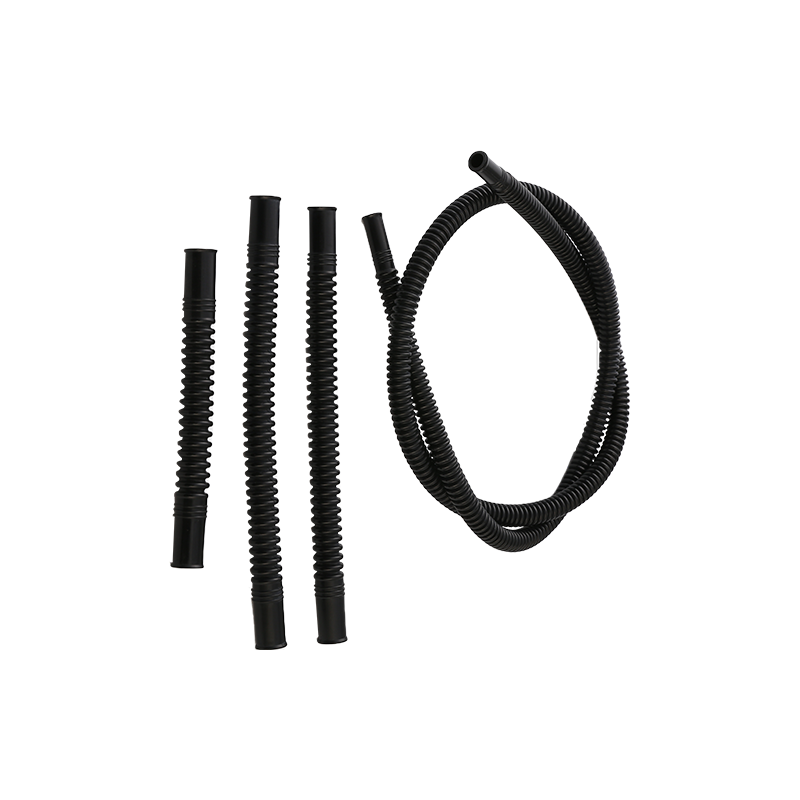
Industrial and OEM-grade coolant hoses can be custom made to eliminate weak points. These hoses are built with specific lengths, bends, and high-quality materials so that fewer fittings are needed — and where fittings are necessary, they’re designed for durability and proper sealing.
Reliable Replacement Fittings
Cutting off a failed fitting and installing a replacement engineered connector — even if not the original — can restore full function without compromising the system. Many mechanics replace failed bypass hose connectors with robust aftermarket solutions designed for higher heat and pressure tolerance.
Proper Clamps and Supports
Using high-quality clamps, spring clips, or reinforced bands at junctions ensures that hoses remain secure and leak-free under vibration and thermal cycling.
Overall, the question isn’t just “can you bypass plastic automotive hose fittings?” — it’s “should you, and what’s the better way to maintain cooling system integrity?” While makeshift bypasses may seem tempting after a failure, they rarely provide an equivalent level of reliability compared to properly engineered solutions. Choosing robust components — including a custom coolant hose assembly when appropriate — supported by thoughtful design, professional installation, and quality materials will contribute to a healthier cooling system and fewer surprises on the road.