 English
 Español


Why Are Plastic Automotive Hose Fittings Used Over Alternatives
Questions persist among vehicle owners and technicians about why Plastic Automotive Hose Fittings remain common in modern cooling systems despite perceived weaknesses, and whether alternatives like metal connectors or a tailored custom coolant hose design are better options. Some users report concerns about cracking under prolonged heat exposure or vibration, and many wonder why manufacturers continue to specify plastic parts instead of more rugged materials.
To understand this, it’s important to look at why plastic fittings were introduced, what advantages they offer, and what limitations they have in real-world use.
Design Flexibility and Weight Advantages
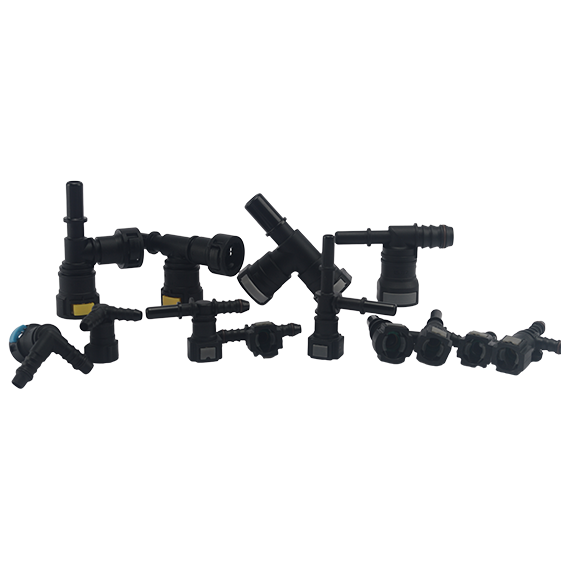
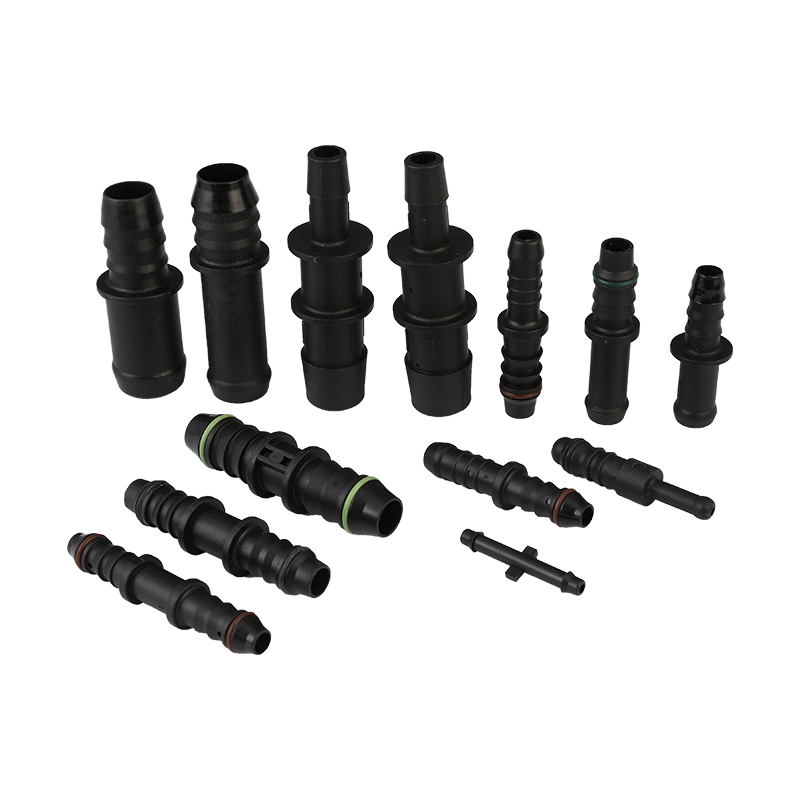
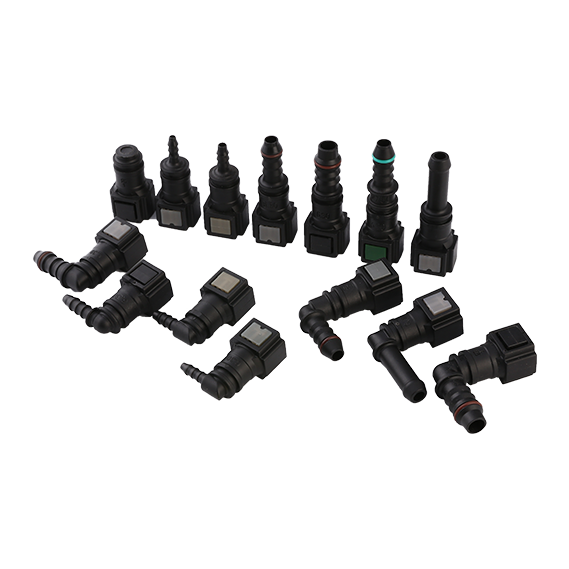
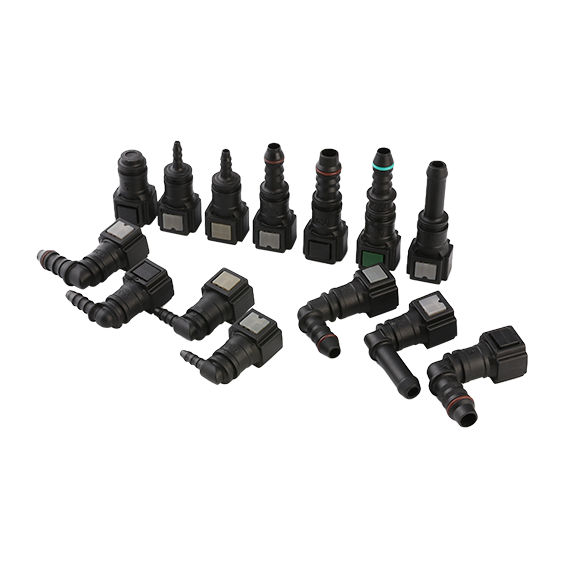
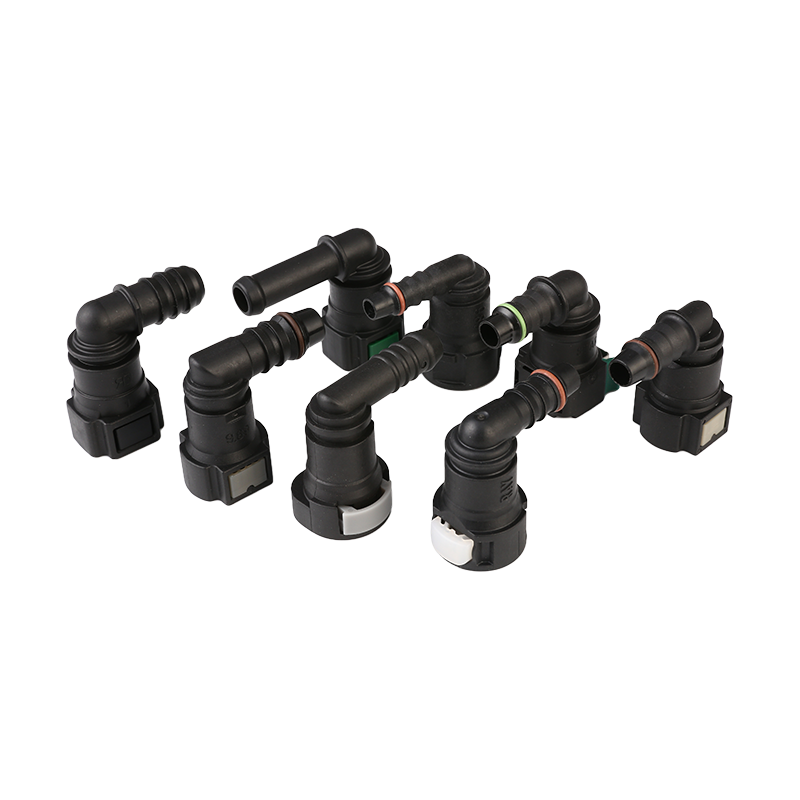
One of the primary reasons plastic automotive hose fittings are widely used is their design flexibility. Plastics can be molded into complex shapes that fit tightly into crowded engine bays — something that is more challenging with metal. For multi-branch cooling circuits, plastic connectors can integrate tees, junctions, and varied angles directly into molded pieces, making assembly easier and more compact.
Weight also matters in vehicle design. Plastic fittings are significantly lighter than metal alternatives like brass or aluminum. Reducing weight contributes to overall vehicle efficiency and helps manufacturers meet fuel consumption and emissions goals without significant cost increases.
Cost Considerations and Production Ease
Cost is another major driver. Plastic fittings are typically less expensive to produce on a large scale compared to machined metal parts. For high-volume manufacturing, plastic injection molding allows fast production of complex shapes with very low per-piece cost once tooling is established. This factor alone helps explain their prevalence in OEM cooling systems.
Moreover, plastic connectors can often be integrated directly into custom coolant hose assemblies without additional machining or joining steps, simplifying manufacturing and reducing potential leak points that require clamps or extra seals.
Corrosion Resistance and Chemical Compatibility
Plastic automotive hose fittings offer natural resistance to corrosion and chemical attack from typical engine coolants. Metal fittings exposed to coolant can corrode over time unless special coatings or alloys are used. In contrast, the right plastic materials — especially engineering polymers — can withstand chemical exposure without rusting, which can contribute to longer service life in certain environments.
However, plastics do have limitations: exposure to repeated high thermal cycling and vibration can gradually weaken them. Over many years of engine use, some plastics may become brittle or develop micro-cracks, causing failures at connection points.
Trade-offs: Durability vs. Cost and Complexity
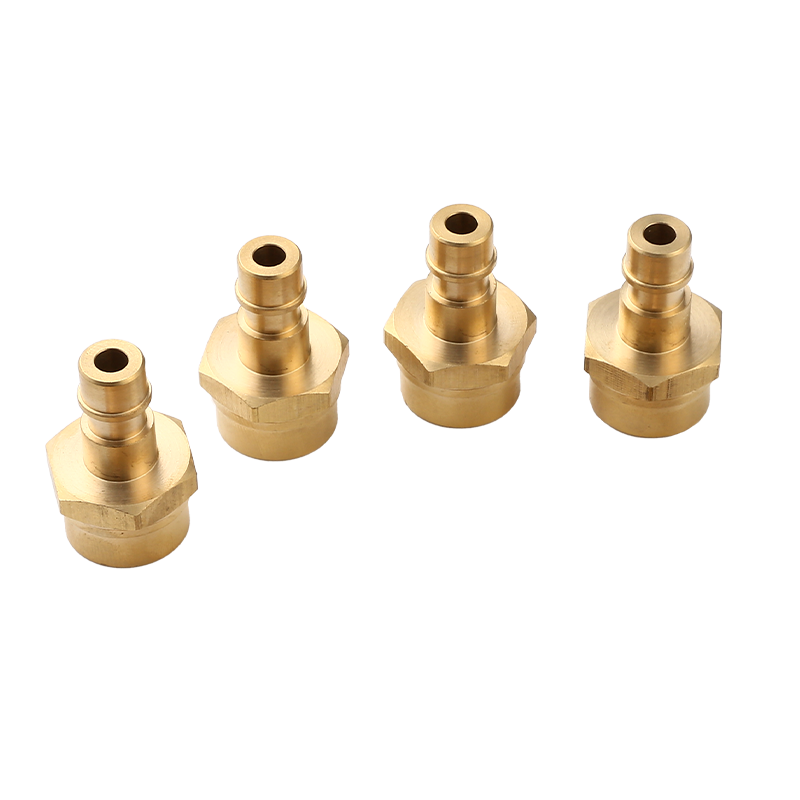
While alternatives like brass or stainless steel can offer good strength and thermal performance, they also come with trade-offs. Brass fittings, for example, may resist cracking and higher temperatures but add weight and cost, making them less attractive for mass production when plastic solutions may be “good enough” for more users.
Metal connectors also require different manufacturing considerations and may introduce challenges like galvanic corrosion when mixed with aluminum components if coolant chemistry isn’t properly managed.
This doesn’t mean metal alternatives are unsuitable; in certain high-performance or heavy-duty applications, users may prefer sturdier fittings that better withstand extremes of heat and vibration. This is why hobbyists and professional builders sometimes choose aluminum or brass connectors when redesigning cooling systems.
Real-World User Concerns and System Balance
Some drivers share real-world experiences where plastic connectors failed after long service life, prompting them to consider alternative materials or improve designs. These anecdotes reflect a balance between cost, durability, and expected service interval rather than a clear “flaw” unique to plastics.
For everyday vehicles, plastic automotive hose fittings often perform acceptably when used with correct hose routing, clamps, and regular maintenance. However, where repeated harsh thermal cycles or vibration are expected, a different configuration — such as a custom coolant hose with reinforced sections and optimized routing — can help reduce stress on critical joints.
Practical Guidance for Vehicle Owners
For those concerned about potential issues with plastic automotive hose fittings, here are a few practical tips:
Regular inspections: Look for signs of wear, fine cracks, or seepage around fittings during routine maintenance.
Quality materials: Ensure replacement fittings are made from engineering-grade polymers with good heat resistance.
Support connections: Use proper clamps sized correctly and avoid sharp bends near fittings to reduce stress.
Consider custom design: In high-performance vehicles or modified cooling systems, a custom coolant hose with reinforced fittings and optimized routing can distribute stress more evenly.
Ultimately, the prevalence of plastic automotive hose fittings is a reflection of pragmatic engineering choices that balance cost, weight, corrosion resistance, and assembly efficiency. Understanding the trade-offs allows vehicle owners to make informed decisions about upgrades or replacements, especially where improved durability is required.
.png)