 English
 Español


Auto Fuel Line Fittings Size and Fit Questions
Questions about auto fuel line fittings — particularly regarding size and fit — are very common among DIYers and restoration enthusiasts. Whether you are changing classic car fuel pipe fittings or updating your modern car’s system, understanding how to measure, match, and select the correct fitting sizes can prevent leaks, performance issues, and safety risks. Taking a methodical approach to sizing and fit not only improves performance but also enhances safety across all fuel system work.
1. Understanding Fuel Line Diameter and Its Role
The diameter of a fuel line matters for both flow capacity and fitting compatibility. In general, larger inner diameters can carry more fuel without flow restriction, but the diameter must align with the rest of the system:
A classic example comes from owners replacing fuel lines on vintage cars like 1960s Mustangs and debating between 5/16″ and 3/8″ diameters. Many find that 3/8″ works fine and may even allow for future performance upgrades, though it can require modifications for mounting or clip clearance.
For fuel systems using high-pressure braided hoses, users often ensure line diameter matches the original designed pressure rating and fittings to avoid leaks.
Remember that matching internal diameters across the system supports consistent fuel delivery and reduces stress on the pump and engine.
2. Why Fittings Sometimes Don’t Fit as Expected
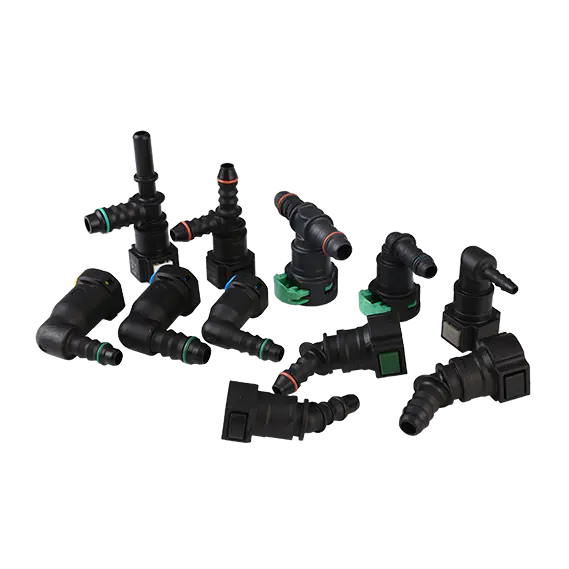
A common headache for DIY mechanics involves fuel line fittings that appear to be the right size but still don’t fit. Some typical scenarios include:
When swapping from imperial to metric measurements, even tiny differences can cause mismatches — for example, a 5/16″ hard line may not fit a threaded connection exactly because 8mm (approx. 7.94mm) isn’t always the same in practice.
Misinterpreting wrench sizes versus thread sizes. Some users reported that a fitting requiring an 11/16″ wrench didn’t match the −6AN hose they ordered due to different thread sizing conventions.
To avoid confusion, measure both inner diameter (ID) of the hose and thread size of the port or adapter carefully — especially when mixing AN standards with metric hardware.
3. A Quick Look at AN Fittings and Thread Standards
Many enthusiasts upgrading or customizing fuel lines turn to AN (Army-Navy) standard fittings for performance and adaptability. AN sizing is based on the dash number, which correlates to hose outer diameter:
For instance, −6AN corresponds to a 3/8″ hose outer diameter, while −8AN is roughly 1/2″.
AN fittings use straight threads with O-ring seals, and the corresponding thread sizes vary by dash number. Make sure you reference accurate size charts before purchasing fittings.
This sizing system helps when converting old classic setups to updated braided lines, but always verify thread compatibility — buying the wrong adapter can cause oil or fuel leaks.
4. Interpreting Forum and Community Feedback
Looking through real user discussions highlights patterns in size-related questions:
A Reddit user trying to match a hardline to a braided hose set realized that adapter mismatches or misinterpretations of AN sizing can cause ill-fit connections.
Another community member found that simply tightening ferrules on a PTFE braided line did not prevent leaks because the installation technique, ferrule orientation, and accurate seating matter just as much as correct size.
These insights show that while size is foundational, correct installation practice — and using the right adapters — is equally critical.
5. Tips to Measure and Choose Correct Fuel Fittings
Here are practical steps to avoid size and fit issues when working with auto fuel line fittings or classic car fuel pipe fittings:
Measure accurately: Use calipers to measure the inner and outer diameters of hoses and compare them to fitting specs.
Understand thread types: Metric and imperial threads differ; ensure you know which standard your vehicle uses.
Check seal methods: AN fittings often use O-rings, while SAE flare fittings rely on metal-to-metal contact.
Use adapters carefully: When mixing systems, choose adapters that match both the thread and sealing method.
Test before installation: Dry fit components to confirm compatibility before adding fuel or pressure.
Getting these basics right saves time and avoids the burn of mismatches during assembly.
6. How Quality Components Help Reduce Fit Issues
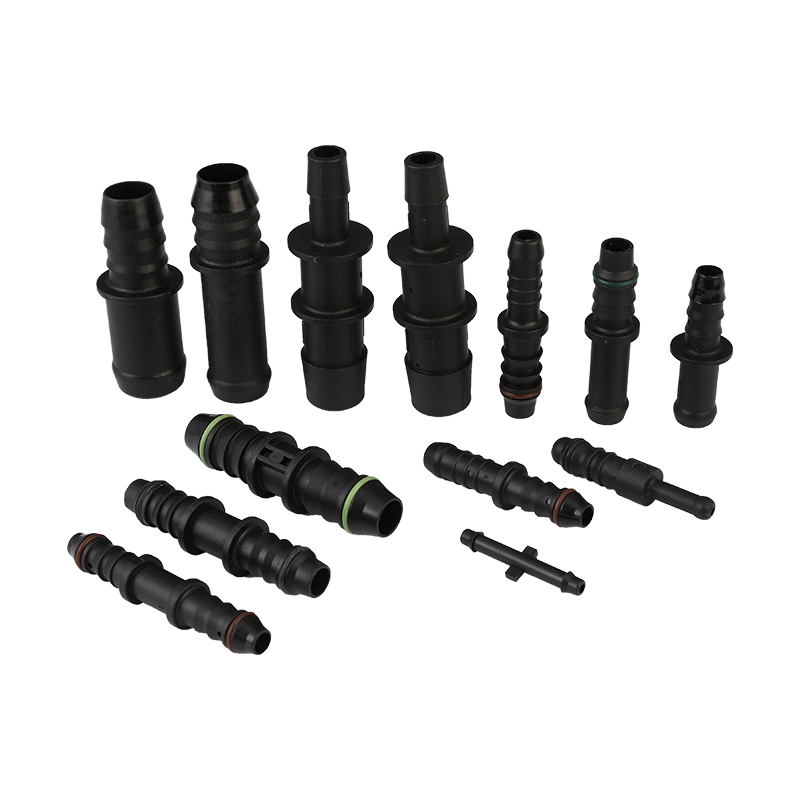
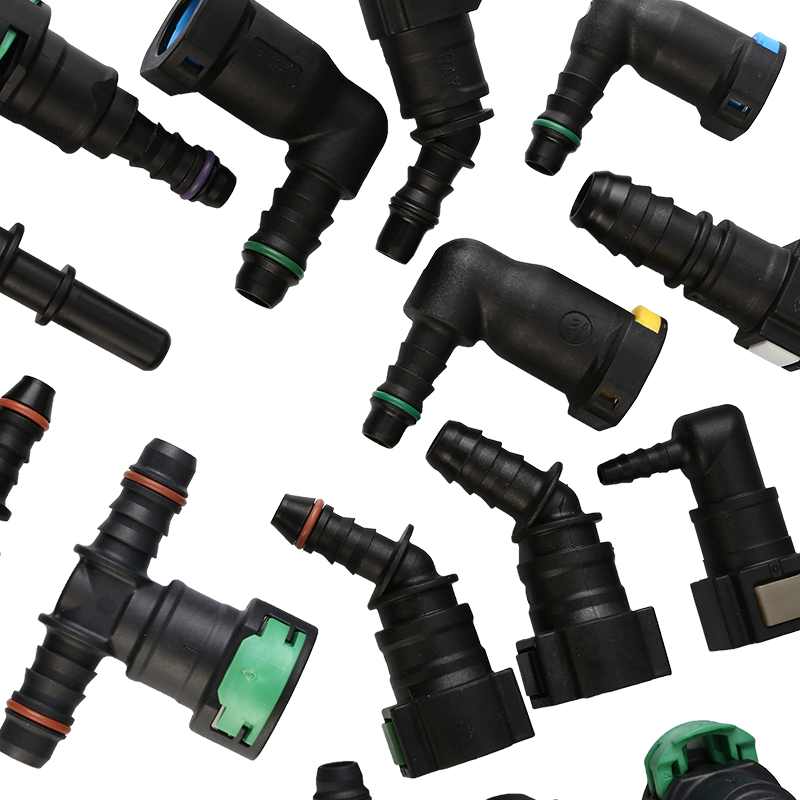
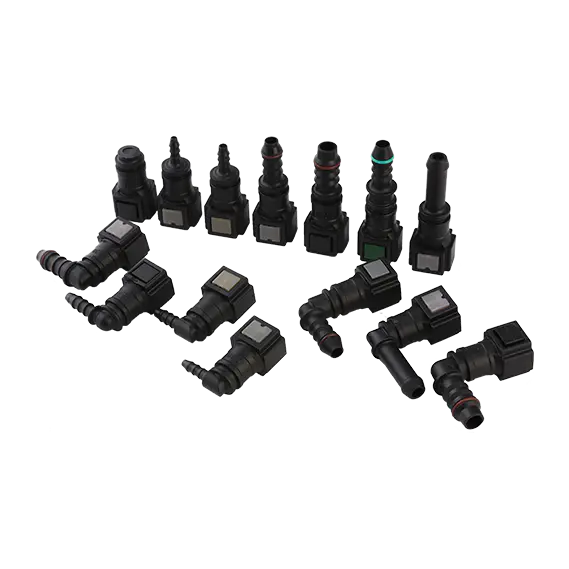
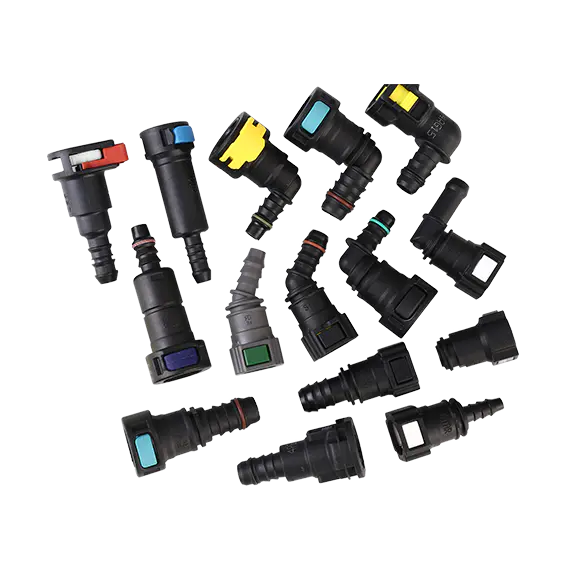
Choosing components from reputable suppliers reduces uncertainty. Linhai Alway Technology Co., Ltd. offers a range of fuel line fittings with precise manufacturing tolerances to help ensure correct fitment with standard automotive and retrofit applications. While measurement and selection remain the owner’s responsibility, quality parts can reduce surprises when working on restoration or custom fuel systems.