
 English
 Español


Why Do Hose Fittings Fail After Installation
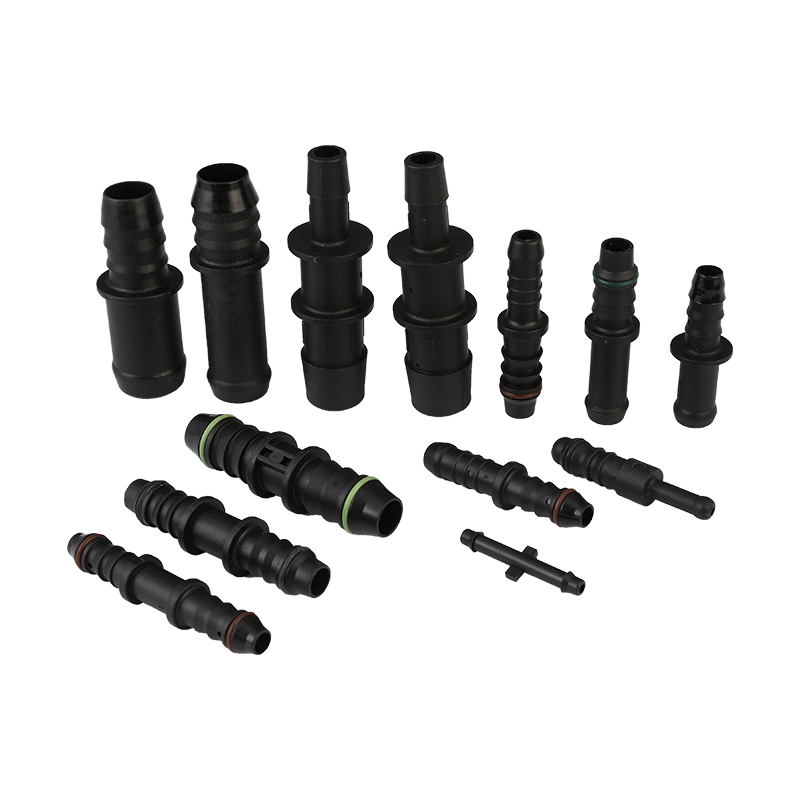
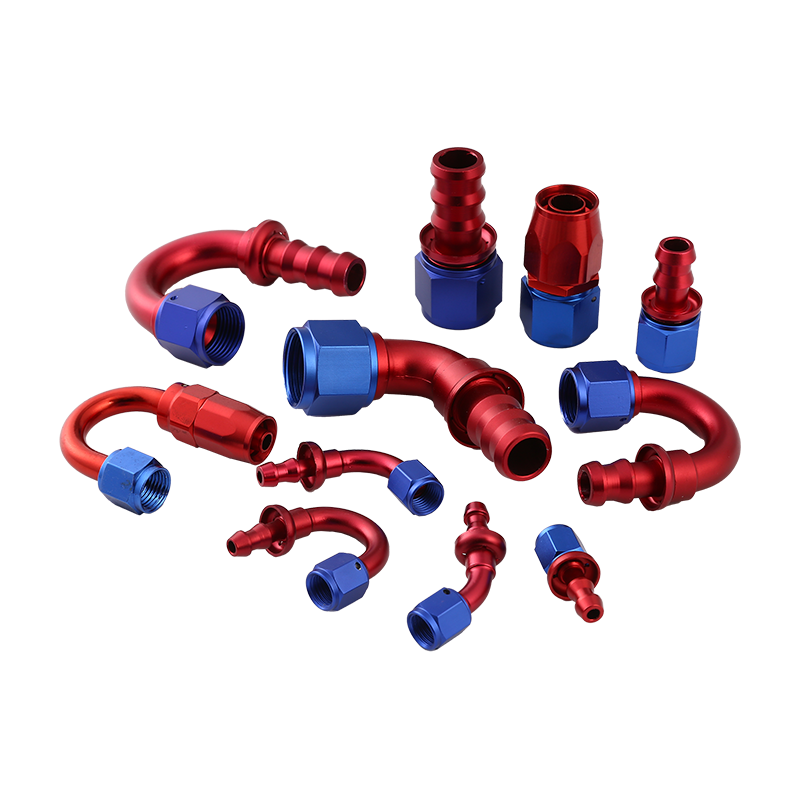
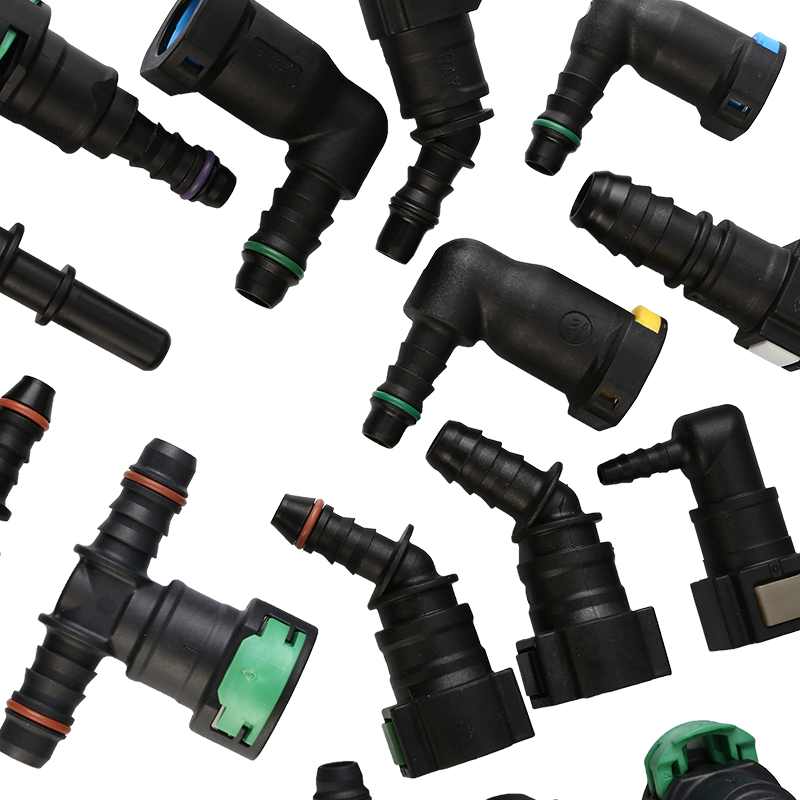
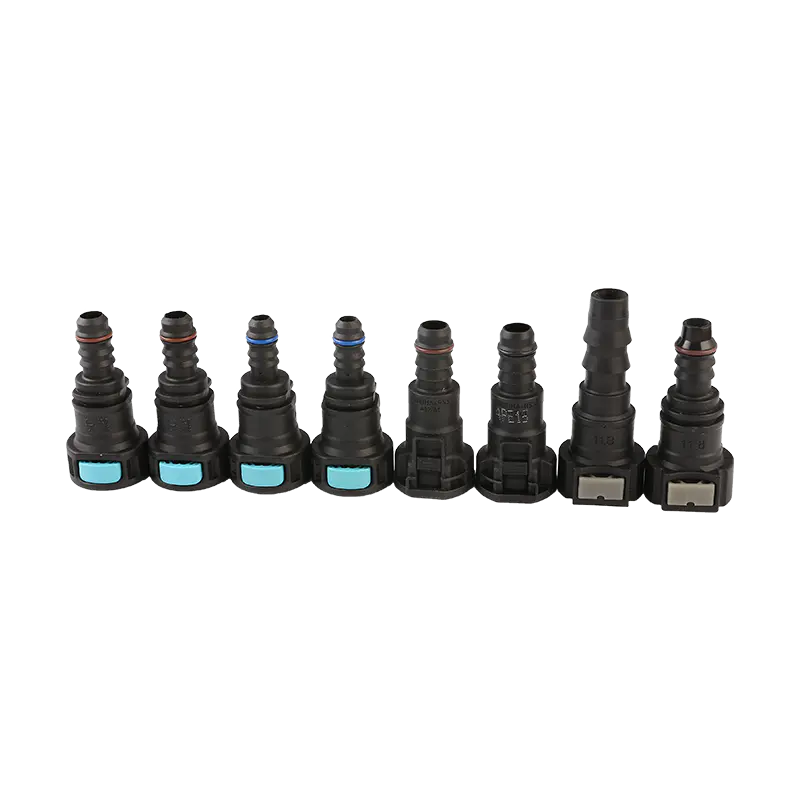
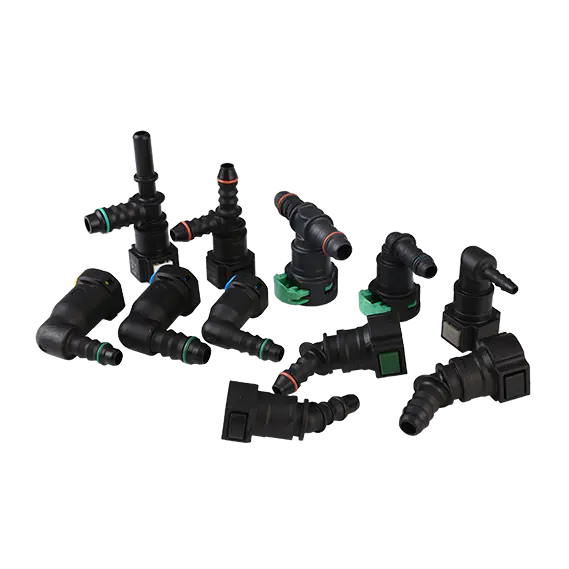
Plastic automotive cooling and fluid transfer systems rely heavily on Plastic Automotive Hose Fittings combined with Hose Connector assemblies to maintain stable sealing under vibration, pressure fluctuation, and thermal load. From a production engineering perspective at Linhai Alway Technology Co., Ltd., post-installation failure is an analyzed issue because many failures do not originate from material defects, but from system-level interaction after assembly.
Industry service reports and field repair discussions consistently show that failures often appear after initial successful operation, which makes root-cause analysis more complex than simple component inspection.
1. Installation Stress Residual Effect
A large portion of early-stage failures originates from mechanical stress introduced during assembly.
Key patterns observed:
Over-compression of hose barb interface
Uneven clamp force distribution
Slight angular misalignment during insertion
These conditions create internal stress zones that remain invisible until thermal cycling or vibration activates them.
In many cases, the connector is not defective at all—the stored mechanical stress becomes the real trigger.
2. Clamp Relaxation and Micro-Movement
After installation, the system continues to evolve dynamically.
Typical behavior includes:
Rubber hose relaxation within the 50–200 operating hours
Gradual reduction of clamping force
Micro-slippage between hose and fitting interface
Once micro-movement begins, sealing performance gradually decreases, especially in coolant systems where pressure is not constant.
This is frequently observed in field returns involving Hose Connector systems used in radiator and auxiliary cooling lines.
3. Thermal Expansion Mismatch
Different materials expand at different rates:
Nylon-based Plastic Automotive Hose Fittings
Rubber coolant hoses
Aluminum or steel pipe interfaces
This mismatch creates cyclical stress at the joint interface.
Observed consequences:
Seal compression fluctuation
Slight radial movement of hose end
Progressive loosening under heat cycles
Data from long-term durability testing at Linhai Alway Technology Co., Ltd. shows that failure probability increases significantly when thermal cycles exceed design assumptions.
4. Pressure Pulsation After Engine Startup
Modern engines generate non-linear pressure behavior:
Cold start pressure spikes
Thermostat opening surge
Pump speed variation under load
Even within rated limits, repeated pulsation can weaken the interface bonding between hose and connector.
Engineering observations indicate:
Failure often initiates at hose-end transition zone
Leakage appears before full separation
Damage accumulates gradually, not instantly
5. Material Interface Compatibility Issue
Not all hose and connector combinations behave the same.
Key compatibility factors:
Shore hardness mismatch between hose and barb
Inner diameter tolerance deviation
Surface friction coefficient differences
Even a well-manufactured connector can underperform when paired with an incompatible hose material.
This is why Linhai Alway Technology Co., Ltd. performs paired-material validation instead of testing components individually.
6. Contamination During Assembly
Field failure reports frequently mention contamination as a hidden contributor.
Common sources:
Dust particles during assembly
Residual machining oil
Improper coolant residue on hose ends
These contaminants reduce friction between sealing surfaces, causing a slow leak development over time.
7. Vibration-Induced Fatigue at Connection Point
Automotive systems are continuously exposed to vibration frequencies from:
Engine oscillation
Road impact transmission
Pump mechanical movement
At the connector interface:
Stress concentrates at barb ridges
Hose reinforcement layer gradually weakens
Micro-cracks develop internally
This explains why failure often appears at the same location repeatedly in field returns.
8. Manufacturing Control Perspective
At Linhai Alway Technology Co., Ltd., production improvements targeting post-installation reliability include:
Precision-controlled barb geometry to stabilize grip force
Dual-stage sealing surface design
Tight tolerance injection molding for consistent engagement
Heat-aging + vibration combined simulation testing
Test protocols simulate extended real-world conditions beyond standard bench testing.
9. Field Feedback Pattern Summary
Based on distributor and technician reports:
Initial installation often passes the pressure test
Leakage appears after thermal cycling cycles increase
Failure location remains consistent at the connector interface
Replacement often resolves issue temporarily unless root cause is corrected
This indicates system interaction issues rather than single-point product defects.
.png)
.png)



