 English
 Español


Are Plastic Hose Connectors Reliable Under Heat Cycles
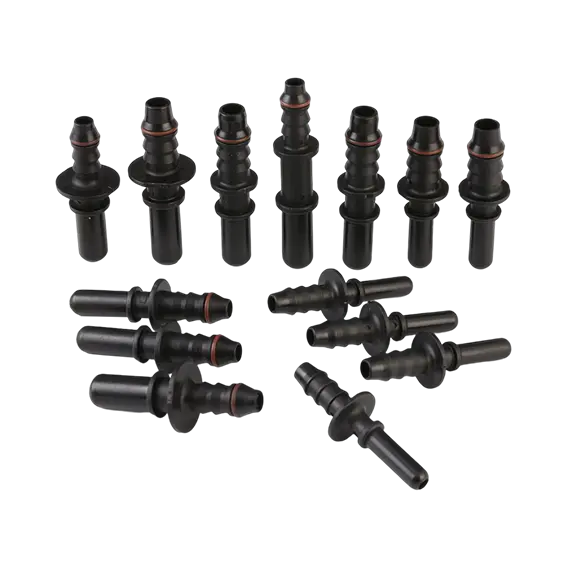
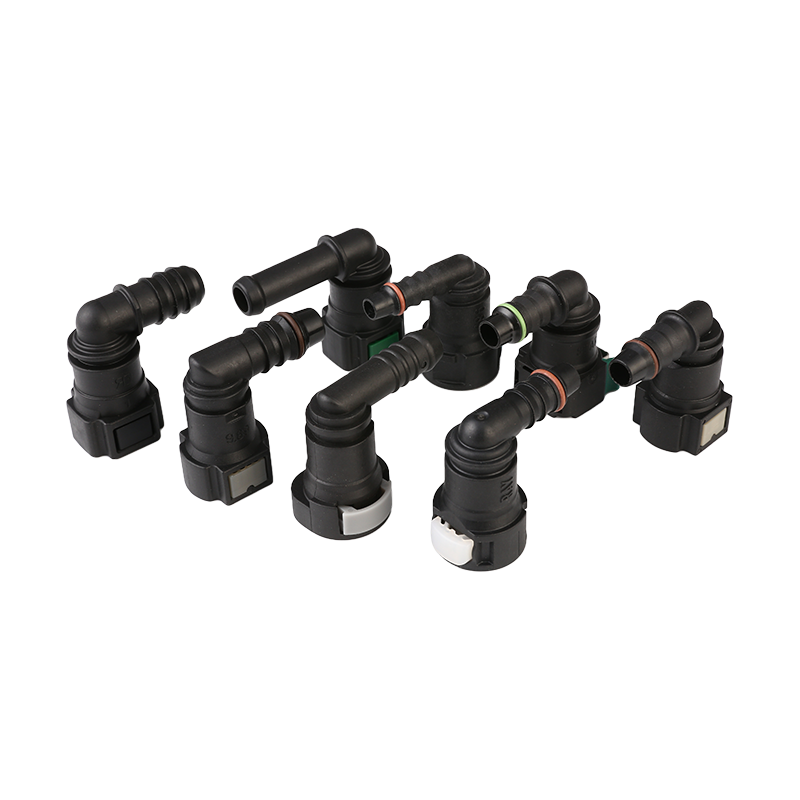
Plastic automotive cooling systems have become a standard configuration in modern vehicles, and Plastic Automotive Hose Fittings together with Hose Connector assemblies are widely used across radiator, coolant, and auxiliary thermal management systems. From a manufacturing standpoint, the focus is no longer just on material selection but on long-term thermal stability under repeated engine operating cycles.
1. Thermal Expansion Stress Behavior
Engine cooling systems rarely operate at a stable temperature. Continuous shifts between cold start and operating heat create repeated expansion and contraction.
Plastic connectors may experience dimensional drift over time
Sealing interfaces can lose compression consistency
Stress concentrates at the barb and locking regions
Engineering-grade polymers used in modern connectors are designed to tolerate this movement, but repeated cycles beyond design thresholds gradually reduce structural resilience.
2. Material Formulation Differences
Not all Plastic Automotive Hose Fittings are manufactured using the same resin base.
Common industrial materials include:
PA66-GF30 (glass fiber reinforced nylon)
PPS composites for high-temperature zones
Modified polyamide blends for coolant resistance
Each formulation affects thermal fatigue resistance differently. Glass fiber reinforcement improves rigidity but may reduce flexibility under vibration, which is why balanced design is critical.
3. Heat Cycling vs Static Temperature
A common misunderstanding in field discussions is that constant high temperature causes failure. Real-world testing shows otherwise.
Stable high temperature → predictable material behavior
Repeated cycling → internal micro-crack formation
This is why a Hose Connector may appear visually intact while internal stress fractures are already developing.
4. Pressure Interaction Effect
Heat cycles rarely act alone. Cooling systems also operate under fluctuating pressure conditions.
Pressure peaks occur during thermostat opening
Rapid coolant flow increases connector wall stress
Combined thermal + hydraulic load accelerates fatigue
This interaction is a key design focus in OEM validation testing.
5. Field Maintenance Observations
Based on service feedback from long-term users:
Slight coolant odor near connector zones often appears before leakage
Minor discoloration at joint edges may indicate early stress aging
Vibration-heavy engines show faster fatigue accumulation
These signs are often overlooked until leakage becomes visible.
6. Engineering Response from Manufacturing Side
At Linhai Alway Technology Co., Ltd., product development for hose connector systems focuses on:
Optimized rib geometry for stress distribution
Multi-layer sealing interface design
Controlled shrink-fit tolerance during molding
Heat aging simulation beyond standard cycles
Testing protocols simulate extended engine life cycles to ensure connector stability under repetitive thermal loading conditions.
7. Application-Based Selection Strategy
Not all vehicle systems require the same connector grade.
Typical classification approach:
Standard passenger vehicles → reinforced nylon connectors
High-load engines → fiber-reinforced composite fittings
Heavy-duty systems → hybrid reinforced structures
Matching connector design to the thermal environment significantly reduces long-term service issues.
Heat cycle reliability is not defined by a single material property but by how Plastic Automotive Hose Fittings and Hose Connector systems behave under combined thermal, mechanical, and pressure stress. Manufacturing design, material engineering, and installation structure all contribute to final performance.
With continuous engineering improvements and field validation, Linhai Alway Technology Co., Ltd. continues to refine connector systems to deliver more stable cooling performance across a range of automotive applications.
.png)