 English
 Español


Why Are My Automotive Fuel Line Fittings Leaking
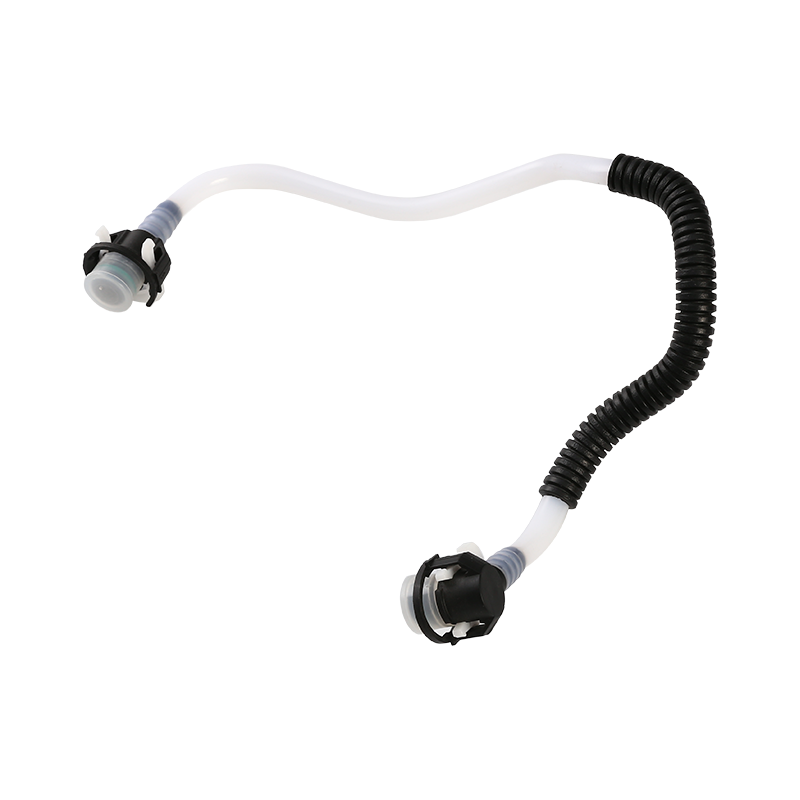
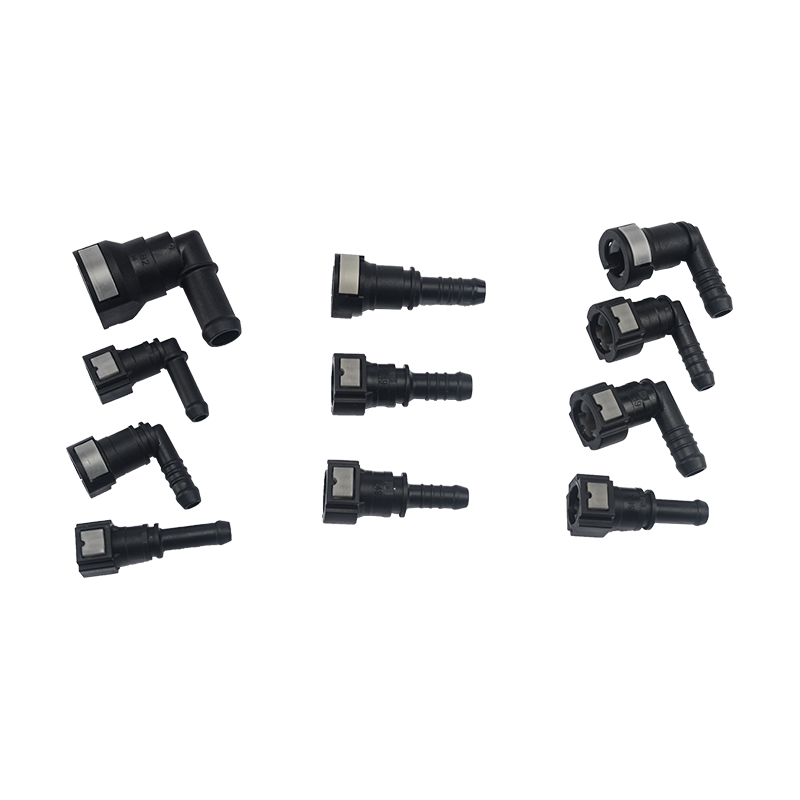
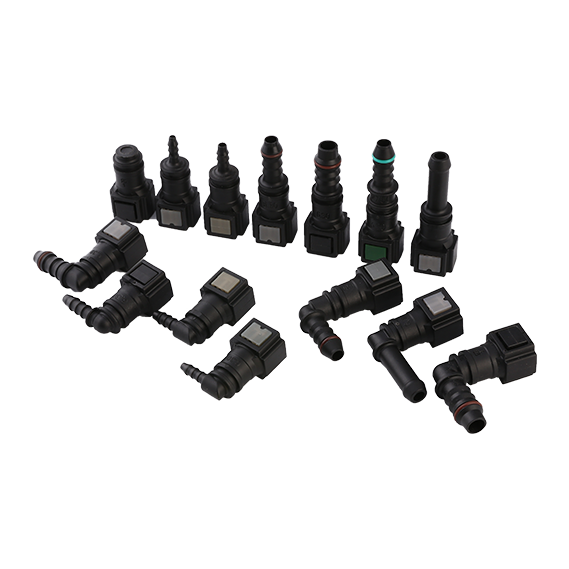
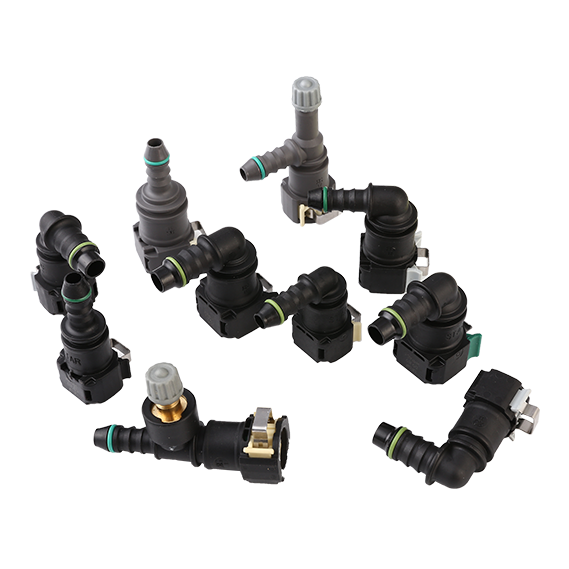
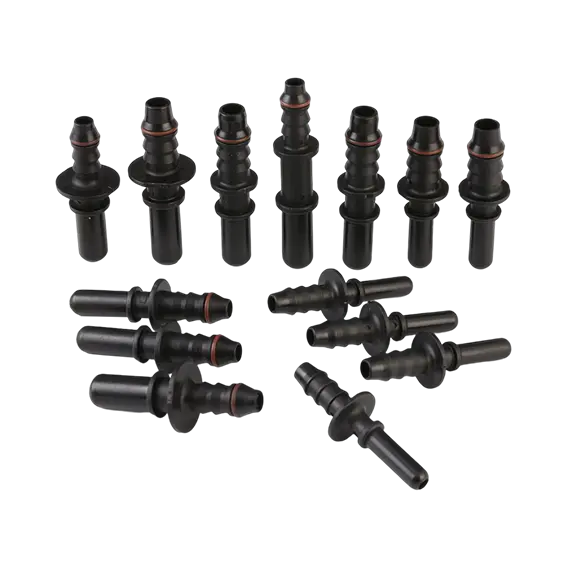
When drivers notice gasoline odors, wet spots under the vehicle, or unexpected engine behavior, one common culprit can be automotive fuel line fittings that are leaking. These small connection points are essential to a vehicle’s fuel delivery system: they bridge sections of piping and hoses so that fuel flows smoothly and safely from the tank to the engine. Likewise, the role of automotive fuel pipe fittings is to maintain secure, pressure-resistant joins between the rigid fuel lines that run along the chassis and various system components. If leaks occur at these points, fuel pressure drops and performance issues may follow.
Frequent Causes of Leaking Fuel Line Fittings
1. Improper Installation Practices
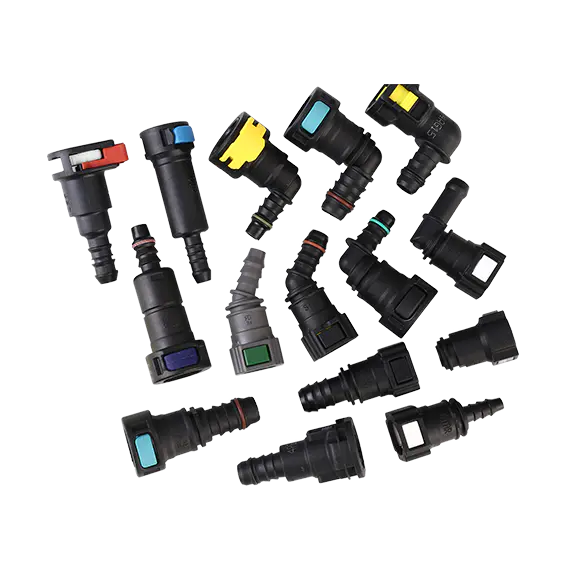
One of the primary causes of leaks at fuel line connections is incorrect installation. Many fuel systems use threaded, flare, or quick-connect fittings, and each type has specific installation requirements. If the fitting isn’t aligned properly or the nut isn’t tightened to the manufacturer’s recommended torque, tiny gaps can form where fuel can escape. Threads that are cross-threaded or misaligned may never seal correctly no matter how tight they are turned. Proper installation is key to preventing these types of leaks.
2. Worn Seals or Damaged Components
Over time, fuel line seals, O-rings, ferrules, and fitting surfaces can degrade due to heat, vibration, and exposure to fuel additives. For example, worn or hardened O-rings may lose the elasticity needed to maintain a secure seal between metal components. In older vehicles with metal fuel pipes, corrosion can weaken the pipe ends where automotive fuel pipe fittings attach, creating leaks at the connection point. Regular inspections can help catch these issues early, before a noticeable leak develops.
3. Material Compatibility and Degradation
The materials used for fuel lines and fittings must withstand exposure to gasoline, ethanol blends, and high operating temperatures. Some materials may degrade faster when exposed to particular fuel additives or harsh environments, causing to premature failures. In discussions from vehicle forums, many owners report leaks associated with nylon, rubber, or braided hoses that were not ideally matched to the type of fuel or pressure in their system. Ensuring that replacement hoses and fitting materials are compatible with the vehicle’s fuel type and pressures can reduce leak risk.
4. Environmental Stress and Movement
Vehicles constantly experience vibration, temperature fluctuation, and motion, which can loosen fittings over time. If fuel lines are routed with sharp bends or abrasive contact points near mounting brackets, stress points at the fittings can develop, eventually causing seepage or dripping. Supporting fuel lines properly and using vibration-resistant fittings can help minimize this problem.
Signs That Your Fuel Line Fittings May Be Leaking
Recognizing early warning signs can prevent more serious damage or even fire hazards:
Fuel Odor: A strong gasoline smell around the vehicle, especially near the engine bay, often indicates vapor escaping from a leak.
Wet Spots or Drips: Visible puddles of fuel underneath the vehicle or around fitting connections point to an active leak.
Decreased Performance: Inconsistent fuel pressure due to a leak can result in rough idling, hesitation during acceleration, or stalling.
Visible Signs of Wear: Corrosion, cracks in the pipe ends, or deteriorated seals at the fitting are physical indicators of impending failure.
How to Diagnose and Fix Leaking Fittings
- Visual Inspection Process
Start with a careful visual check of all fuel line connections. With the engine off and cool, wipe around each fitting and inspect for stains, cracks, or dampness. Using a flashlight can help highlight subtle issues.
- Check Seals and Threads
Inspect the condition of O-rings and seal surfaces. If they appear hardened, torn, or distorted, replacement is necessary. Also check threads for any signs of stripping or cross-threading, which compromise sealing.
- Use Correct Installation Techniques
When installing or replacing fittings, follow the correct procedure for the specific fitting type. For example, flare fittings require the tube end to be flared correctly so that the cone surfaces mate and seal. Push-to-connect fittings need a clean surface and proper engagement to avoid leaks.
- Consider Component Replacement
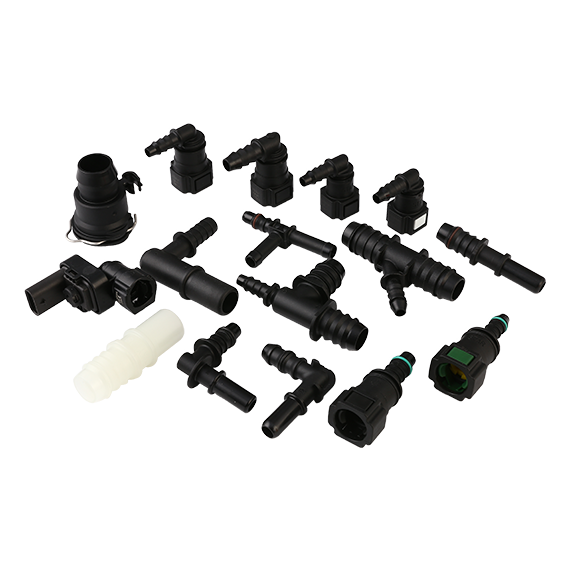
If fitting seats or pipe ends are damaged beyond repair, replacing the affected pipe section or connector is often the safest option. Parts like OEM-specification fittings or compatible aftermarket options from reputable manufacturers such as Linhai Alway Technology Co., Ltd. can provide reliable performance when properly selected and installed.
Preventive Measures for Long-Term Reliability
Routine Fuel System Inspections: Make visual checks of fuel lines and fittings part of your vehicle’s maintenance schedule.
Use Correct Tools: Specialized fuel line wrenches and flare tools help avoid damage during installation or removal.
Select Compatible Materials: Ensure that fittings and hoses are designed to withstand the vehicle’s fuel type and pressure conditions.
.png)