 English
 Español


What Causes Fuel Line Fitting Failures and Leaks
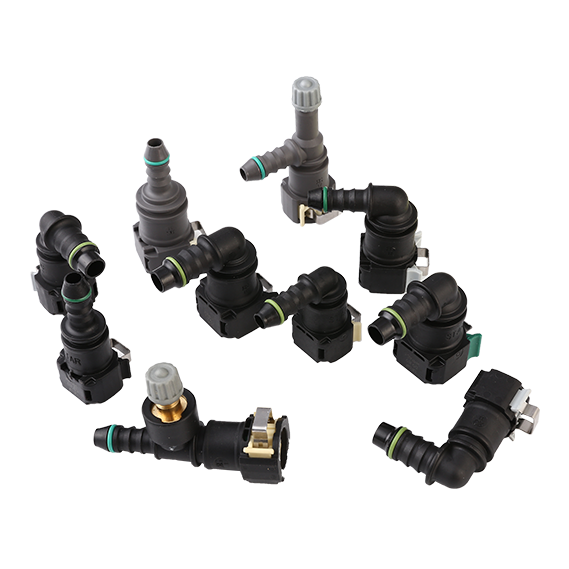
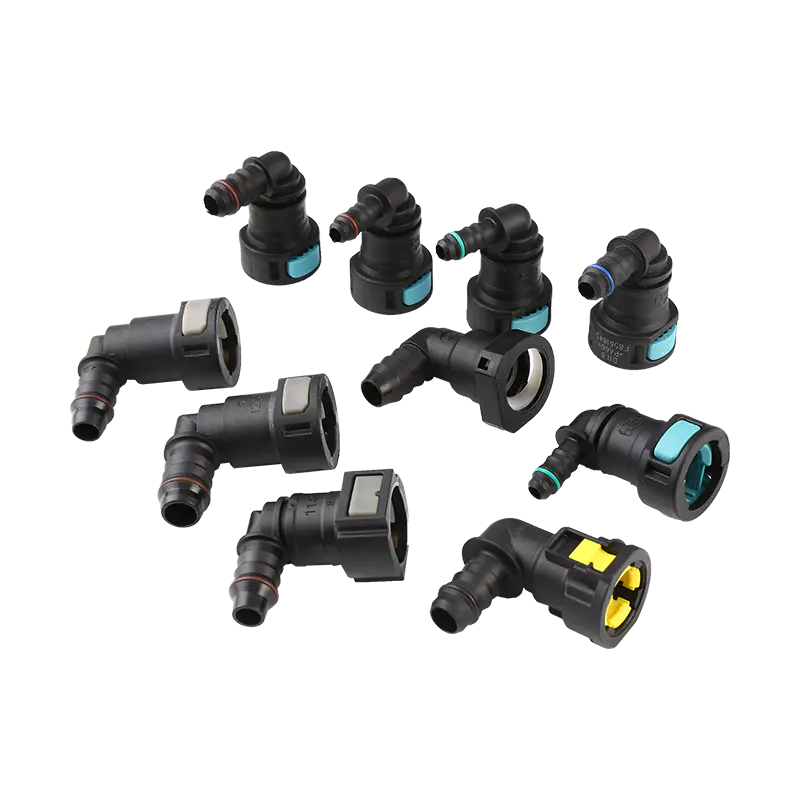
When a vehicle experiences fuel system issues, one common source is failures or leaks around automotive fuel line fittings. These small connection points are essential to maintaining a secure and continuous fuel path, yet many drivers overlook them until a problem arises. Similarly, automotive fuel pipe fittings that join rigid pipes can also develop problems over time, causing fuel to escape from the system, poor engine performance, and safety concerns. Understanding the main causes behind these failures can help you diagnose issues earlier and take effective action to protect your vehicle and yourself.
1. Wear and Age-Related Degradation
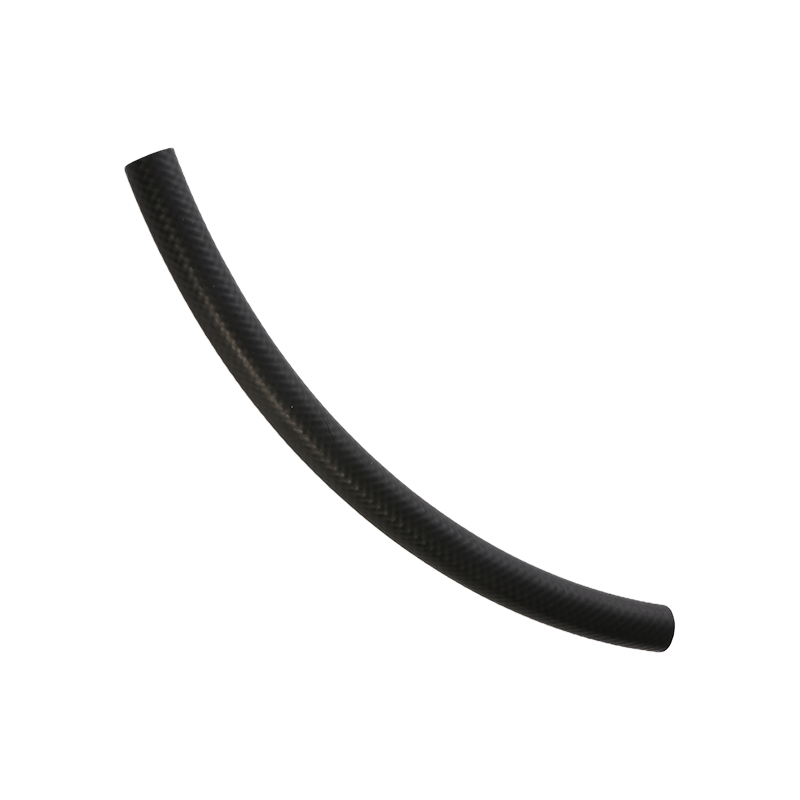
The more common cause of fuel line fitting failures is simply age and wear. Rubber hoses and older nylon lines become brittle as they are repeatedly heated and cooled under the hood, especially around connection points where vibration and stress are greatest. Metal pipes and fittings are not immune either; they can corrode or weaken due to moisture exposure and environmental conditions. Over time, these degrading components lose their ability to make a tight seal, which leads to fuel leaks and reduced system reliability.
Fuel system materials must also resist modern fuel blends, including ethanol-enhanced gasoline. If the hose or fitting material is not compatible with the fuel type, it accelerates internal degradation, especially at the fittings where stress is concentrated.
2. Improper Installation or Mismatched Parts
Another frequent source of fitting failures comes from improper installation or mismatched parts. When automotive fuel pipe fittings are not aligned correctly, tightened to the correct torque, or paired with compatible components, small gaps or stressed seals can form. For example, overtightening clamps can cut into rubber hoses and damage them, while undertightening can allow them to slip and leak.
Also, choosing the wrong size or type of fitting — such as a fitting that doesn’t match the hose diameter or thread type — can cause persistent leaks. Users often share stories of frustration when they try to retrofit fittings from different systems, only to find that once the engine runs under pressure, fuel begins to seep out at the connections.
3. Physical Damage and External Stress
External damage is another key contributor to failures. Fuel lines and their fittings are routed throughout the vehicle’s chassis and undercarriage, where they can be impacted by road debris, improperly used jacks, or accidental contact during other repairs. Constant vibration and heat cycling can also loosen fittings over time, especially if they are not supported properly with clamps or brackets.
In cold climates, corrosion from road salt can accelerate the deterioration of metal fuel pipes and their fittings. Corrosion may eventually eat through the pipe wall or weaken threaded connections, creating small holes or loose seals that allow fuel to escape.
4. Environmental and Temperature Effects
Extreme temperature fluctuations contribute to material fatigue. Heat can accelerate the breakdown of rubber and synthetic hoses and cause them to expand and contract, weakening their integrity around the fittings. Freezing temperatures, on the other hand, can make hoses brittle and prone to cracking when stressed or flexed.
These temperature effects are compounded when fuel lines are placed too close to heat sources like exhaust manifolds, or if there is insufficient insulation against environmental temperature swings.
5. Contamination and Blockages
Although less directly related to the fittings themselves, contaminants in the fuel system can exacerbate problems around connection points. Dirt and grit can lodge in seals and mating surfaces, preventing a proper seal. Over time, fuel filters become clogged, increasing pressure in the line and placing additional stress on fittings, which can cause leaks or premature failure.
Recognizing Signs of Fuel Line Fitting Failure
Knowing the common symptoms can help you catch issues early:
Visible Leaks or Damp Spots: Gasoline dripping or collected around connections is a clear sign of a compromised fitting.
Strong Fuel Odor: Even a small leak can produce a noticeable fuel smell in the engine bay or near the vehicle.
Performance Problems: Air intrusion due to a poor seal can cause misfires or stalling under load.
Check Engine Light Activation: Low fuel pressure may trigger diagnostic codes, indicating an issue in the fuel delivery system.
What to Do When Fittings Fail
1. Conduct a Careful Visual Inspection
Begin with a close inspection of all fuel line connections, especially where pipes meet hoses and fittings. Look for corrosion, cracks, or loose clamps. Regular inspections can catch many issues before they develop into major leaks.
2. Use Correct Parts and Installation Practices
Always use the appropriate size and type of fittings specified for your vehicle. Following suggested torque values and installation methods prevents over- or under-tightening. Linhai Alway Technology Co., Ltd. emphasizes correct selection and installation to help reduce the risk of fitting failures in automotive fuel systems.
3. Replace Damaged Components
If fitting components show signs of aging, cracking, or corrosion, replace them promptly. High-quality materials that resist heat and corrosion extend the service life of the fuel system.
Preventive Tips
Perform routine fuel system checks as part of your regular vehicle maintenance schedule.
Avoid using low-grade fuel lines or clamps that do not meet automotive standards.
Route fuel lines well away from hot exhaust components and sharp edges.
.png)
.png)