 English
 Español


Can Incorrect Automotive Fuel Pipe Fittings Cause Engine Issues
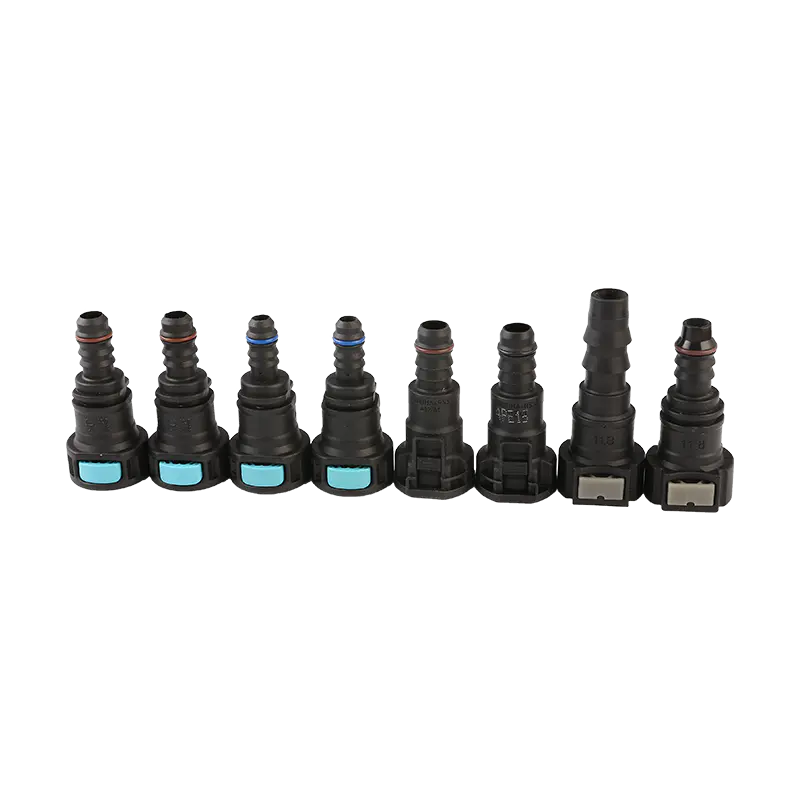
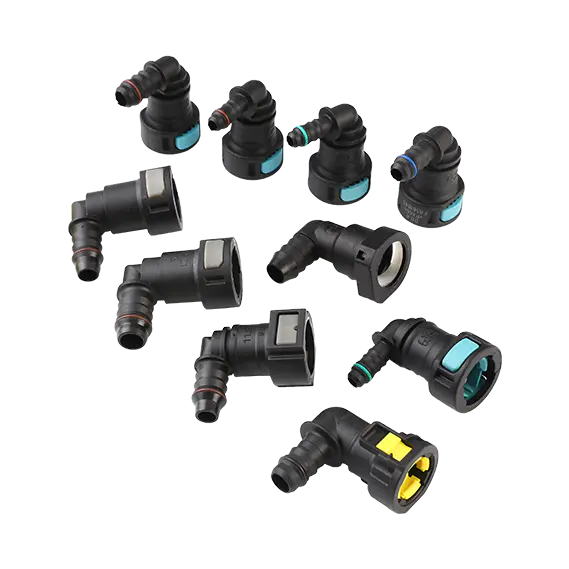
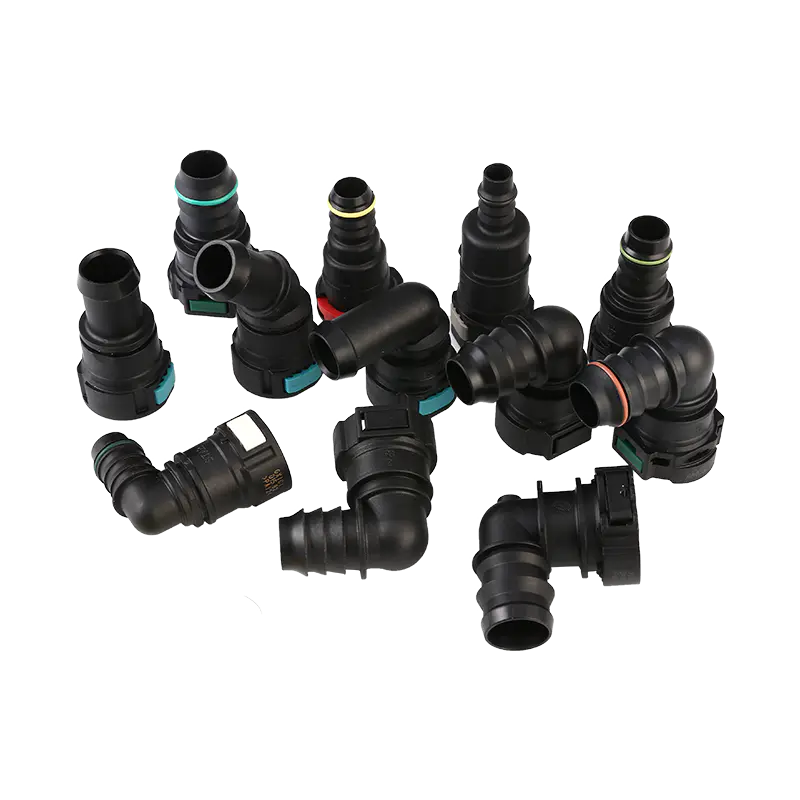
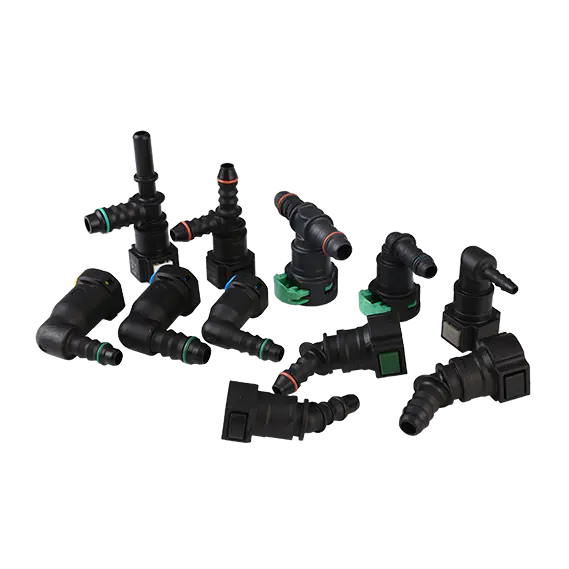
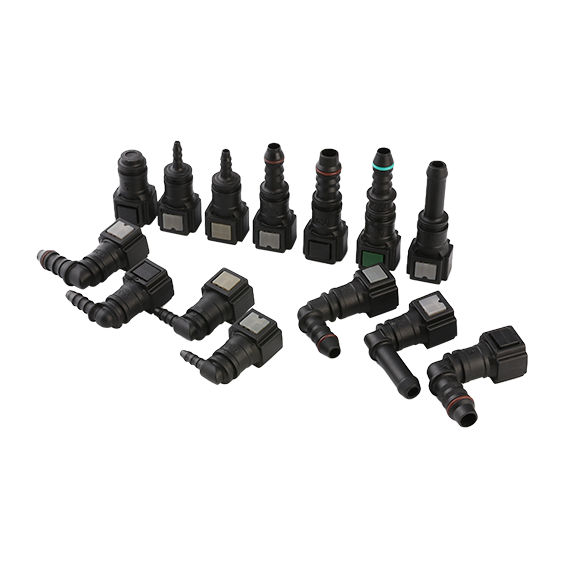
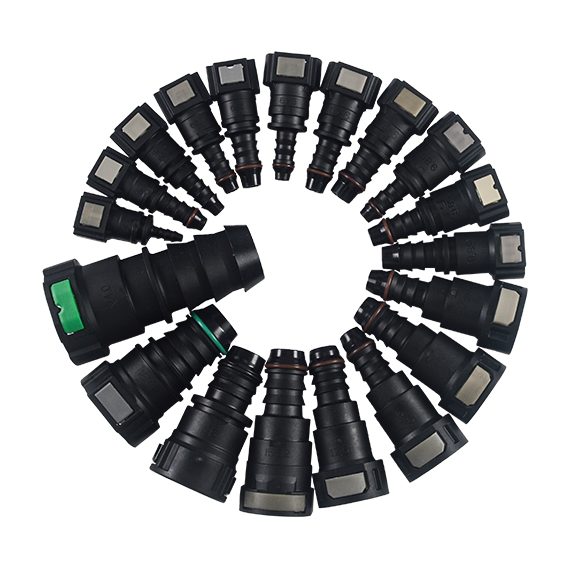
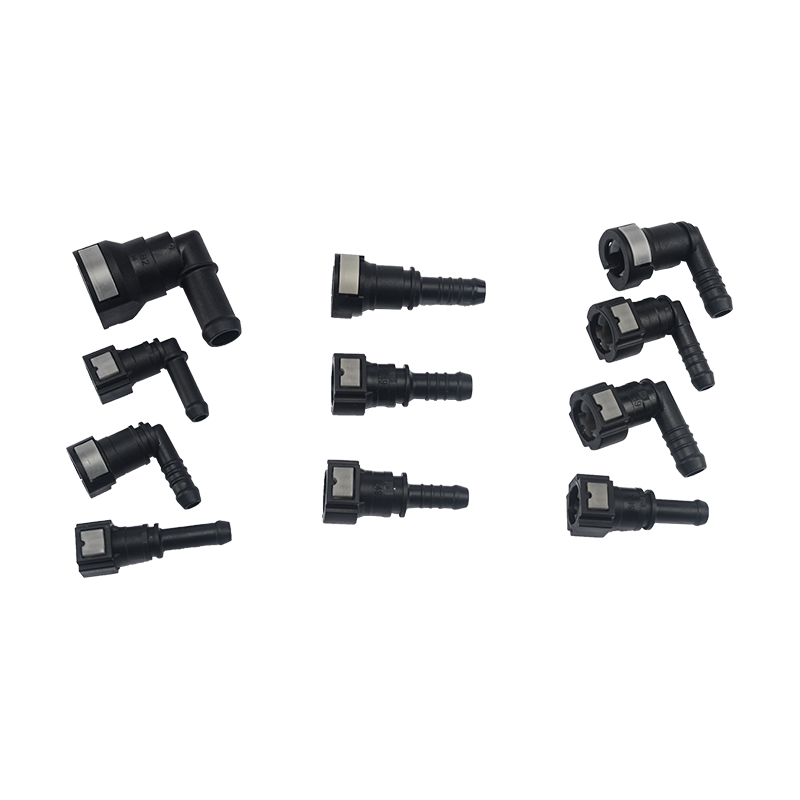
Have you ever wondered whether the automotive fuel pipe fittings on your vehicle could be the reason behind engine roughness or performance problems? Many vehicle owners and DIY enthusiasts don’t realize how critical the fuel delivery system is until something goes wrong. Even seemingly small parts like automotive fuel line fittings can contribute to significant engine issues if they are improperly chosen, installed, or maintained.
Whether you’re troubleshooting hesitation during acceleration, unexpected stalling, or poor fuel economy, understanding how fuel pipe fittings affect overall engine performance can save you time and repair costs.
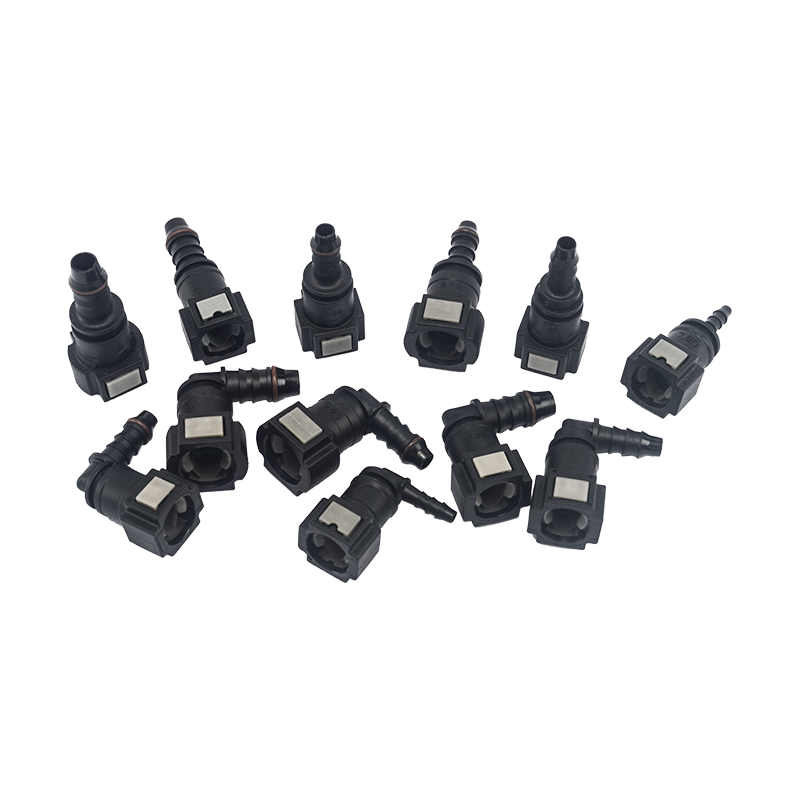
How Incorrect Fittings Affect Engine Performance
1. Disrupted Fuel Pressure and Flow
Fuel pipe fittings play a vital role in maintaining a consistent and uninterrupted flow of fuel to the engine. If these fittings are the wrong size, poorly aligned, or not tightened correctly, the fuel pressure can drop or fluctuate. This pressure instability may cause the engine to misfire, hesitate, or run inefficiently. According to technical fuel system insights, improper fuel connections that reduce or disrupt the correct fuel flow can cause reduced engine performance and higher fuel consumption.
2. Engine Misfires and Stalling Conditions
When fuel pressure is insufficient due to incorrect fittings, the engine may not receive the proper amount of fuel needed for ideal combustion. This can cause misfires or stalling — especially under load or during acceleration. Reduced fuel delivery can trigger lean fuel conditions that make the engine operate roughly or even stutter. Fuel delivery issues are common topics among vehicle maintenance forums, where users often report performance irregularities tied to improper fuel line attachments.
3. Air Intrusion and Vapor Lock
Incorrect installation may permit air to enter the fuel system at junction points. Air intrusion can disrupt the smooth delivery of fuel and cause vapor lock, especially in older fuel systems where heat can cause liquid fuel to vaporize prematurely. Vapor lock can cause a transient loss of power and difficulty restarting the engine.
4. Leaks, Emissions, and Engine Damage
Fittings that don’t match your vehicle’s specifications can also fail to seal properly, causing to fuel leaks. These leaks not only reduce fuel efficiency but can also contribute to harmful emissions escaping into the environment. Over time, persistent leakage may allow fuel to wash down engine components or even compromise ignition timing if fuel returns to places it shouldn’t — raising the risk of internal component wear and additional engine damage.
Common Symptoms That May Signal Fitting Problems
Recognizing the early signs of issues caused by incorrect fuel pipe fittings will help you address problems before they worsen:
Engine Hesitation or Loss of Power: Vehicles with disrupted fuel flow may slow down, lag, or react poorly when accelerating.
Frequent Engine Stalling: If fuel pressure drops significantly, especially during idle or low-speed driving, stalling may occur.
Fuel Odor or Dripping: Visible leaks around fitting areas or a strong smell of fuel can indicate poor sealing or mismatched connections.
Check Engine Light Activation: Fuel system irregularities, including low pressure, can trigger diagnostic trouble codes related to lean conditions or pressure sensor readings.
User Observations and Community Feedback
Many vehicle owners report fitting-related challenges during repairs or modifications. In online vehicle maintenance discussions, users describe experiences where mismatched fittings led to fuel leaks or difficulties maintaining proper pressure. One common theme is that custom or non-OEM connections can fail to seal adequately, causing fuel spraying or dampness around junctions.
Another frequent issue shared by DIYers involves difficulty aligning fuel lines during reassembly, which can compromise the seal and subsequently affect engine performance. Proper alignment and sealing of fuel lines are essential for avoiding misfires or fuel delivery interruptions.
Steps to Prevent Engine Issues from Incorrect Fittings
1. Choose Correctly Sized Fittings
Ensure that every fuel pipe fitting matches the specifications listed in your vehicle’s service manual. Mismatched sizes are one of the quickest paths to leaks and pressure loss.
2. Inspect Fuel System Components Regularly
Routine checks of your fuel lines and fittings for wear, cracks, or improper connections help catch problems before they evolve into engine performance issues.
3. Use Compatible Materials
Fuel line components should be made of materials compatible with your vehicle’s fuel type and operating conditions to avoid material degradation that can cause poor sealing.
4. Professional Installation or Guidance
Having a trained technician install or verify the fittings can drastically reduce the chance of fuel flow problems. Even experienced DIYers benefit from torque specs and installation techniques.
At Linhai Alway Technology Co., Ltd., we emphasize good practices in selecting and installing automotive fuel components to help minimize engine performance issues. The right choice and proper installation of automotive fuel pipe fittings and automotive fuel line fittings aren’t just about preventing leaks — they’re integral to fuel system reliability and engine responsiveness.